Soccer Footwear And Its Impact On Injuries

Modern soccer shoes are designed to enhance performance through lightweight materials and close-fitting construction. However, these same features may increase the risk of foot and ankle injuries. Thin soles and limited cushioning can lead to stress-related conditions, while narrow toe boxes may cause irritation or pressure on the forefoot. Playing on artificial turf in cleats that do not provide enough traction or support can also contribute to joint or muscle strain. Improvements in design may include better shock absorption, more anatomical shaping, and options that accommodate different foot types. Balancing agility with protection remains a challenge for manufacturers, but updated designs could reduce the occurrence of common foot injuries seen in soccer players. If you have foot or ankle pain related to sports activity, it is suggested that you see a podiatrist for a diagnosis and appropriate treatment.

Ankle and foot injuries are common among athletes and in many sports. They can be caused by several problems and may be potentially serious. If you are feeling pain or think you were injured in a sporting event or when exercising, consult with one of our podiatrists from Biebel & DeCotiis Podiatry Associates. Our doctors will assess your condition and provide you with quality foot and ankle treatment.

Common Injuries

The most common injuries that occur in sporting activities include:

  • Achilles Tendonitis
  • Achilles Tendon Rupture
  • Ankle Sprains
  • Broken Foot
  • Plantar Fasciitis
  • Stress Fractures
  • Turf Toe

Symptoms

Symptoms vary depending upon the injury and in some cases, there may be no symptoms at all. However, in most cases, some form of symptom is experienced. Pain, aching, burning, bruising, tenderness, tightness or stiffness, sensation loss, difficulty moving, and swelling are the most common symptoms.

Treatment

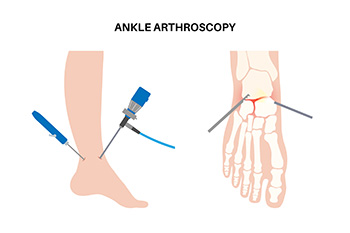
Just as symptoms vary depending upon the injury, so do treatment options. A common treatment method is known as the RICE method. This method involves rest, applying ice, compression and elevating the afflicted foot or ankle. If the injury appears to be more serious, surgery might be required, such as arthroscopic or reconstructive surgery. Lastly, rehabilitation or therapy might be needed to gain full functionality in the afflicted area. Any discomfort experienced by an athlete must be evaluated by a licensed, reputable medical professional.  

If you have any questions please contact one of our offices located in Holmdel and Middletown, NJ . We offer the newest diagnostic and treatment technologies for all your foot and ankle needs.
Read more about Sports Related Foot and Ankle Injuries

Surgical Relief for Plantar Fibroma

Plantar fibroma excision is a minor outpatient procedure lasting 30 to 40 minutes, performed to remove a benign fibrous nodule from the plantar fascia of the foot. This condition often appears as a firm lump in the arch that may cause pain with weight bearing, discomfort while wearing shoes, or the sensation of a mass beneath the foot. While excision offers relief, there are risks such as recurrence of the fibroma or numbness due to nerve involvement. A podiatrist evaluates the need for surgery based on symptoms and failed conservative treatments, guiding patients through diagnosis, imaging, and aftercare. If you are struggling with persistent foot arch discomfort or difficulty walking due to a plantar fibroma, it is suggested that you consult a podiatrist for expert evaluation and treatment options.

Foot surgery is sometimes necessary to treat a foot ailment. To learn more, contact one of our podiatrists of Biebel & DeCotiis Podiatry Associates. Our doctors will assist you with all of your foot and ankle needs.

When Is Surgery Necessary?

Foot and ankle surgery is generally reserved for cases in which less invasive, conservative procedures have failed to alleviate the problem. Some of the cases in which surgery may be necessary include:

  • Removing foot deformities like bunions and bone spurs
  • Severe arthritis that has caused bone issues
  • Cosmetic reconstruction

What Types of Surgery Are There?

The type of surgery you receive will depend on the nature of the problem you have. Some of the possible surgeries include:

  • Bunionectomy for painful bunions
  • Surgical fusion for realignment of bones
  • Neuropathy decompression surgery to treat nerve damage

Benefits of Surgery

Although surgery is usually a last resort, it can provide more complete pain relief compared to non-surgical methods and may allow you to finally resume full activity.

Surgical techniques have also become increasingly sophisticated. Techniques like endoscopic surgery allow for smaller incisions and faster recovery times.

If you have any questions, please feel free to contact one of our offices located in Holmdel and Middletown, NJ . We offer the newest diagnostic and treatment technologies for all your foot care needs.

Read more about Foot Surgery

Custom Orthotics For Ankle Stability

Step with assurance, thanks to enhanced ankle stability from orthotics! If you're active and on the move, Custom Orthotics are your ally for stronger, steadier ankles. They align your foot and ankle, reducing the risk of sprains and offering solid support for every stride. Don’t let instability hold you back. Try Custom Orthotics from our office, and discover unshakable confidence in every step!

Explaining Supination of the Foot

Supination of the foot is a natural motion that occurs when the foot rolls outward during walking or running. This helps the foot form a stable structure for push-off. When this motion becomes excessive, it is called over-supination or underpronation. Too much outward rolling can place stress on the outer edge of the foot and reduce shock absorption. This may lead to heel pain, ankle sprains, arch strain, and fractures in the heel bone. Over-supination is often related to high arches, poor walking patterns, or previous foot injuries. People who over-supinate may notice that their shoes wear out more along the outer edges, causing instability while walking. A podiatrist can evaluate your gait and determine if your foot alignment is contributing to the pain. Custom orthotics, bracing, or surgery may be recommended to correct the issue and improve balance. If you have foot pain caused by your gait, it is suggested that you schedule an appointment with a podiatrist for an exam and appropriate treatment options.

If you have any concerns about your feet, contact one of our podiatrists from Biebel & DeCotiis Podiatry Associates. Our doctors can provide the care you need to keep you pain-free and on your feet.

Biomechanics in Podiatry

Podiatric biomechanics is a particular sector of specialty podiatry with licensed practitioners who are trained to diagnose and treat conditions affecting the foot, ankle and lower leg. Biomechanics deals with the forces that act against the body, causing an interference with the biological structures. It focuses on the movement of the ankle, the foot and the forces that interact with them.

A History of Biomechanics

  • Biomechanics dates back to the BC era in Egypt where evidence of professional foot care has been recorded.
  • In 1974, biomechanics gained a higher profile from the studies of Merton Root, who claimed that by changing or controlling the forces between the ankle and the foot, corrections or conditions could be implemented to gain strength and coordination in the area.

Modern technological improvements are based on past theories and therapeutic processes that provide a better understanding of podiatric concepts for biomechanics. Computers can provide accurate information about the forces and patterns of the feet and lower legs.

Understanding biomechanics of the feet can help improve and eliminate pain, stopping further stress to the foot.

If you have any questions please feel free to contact one of our offices located in Holmdel and Middletown, NJ . We offer the newest diagnostic and treatment technologies for all your foot and ankle needs.
Read more about The Importance of Biomechanics in Podiatry

Supportive Inserts Can Improve Comfort for Flat Arches

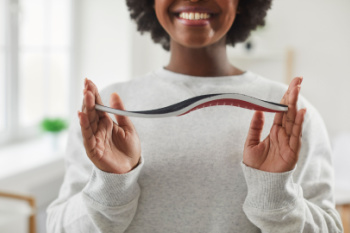
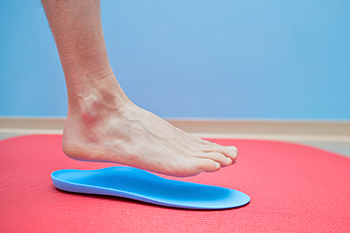
Feet with little to no arch can lead to soreness that affects more than just the foot. It may extend into the legs, hips, or back. When arches do not provide enough lift, the body must adjust in ways that place extra stress on joints and muscles. Custom inserts made to fit the foot’s shape can help ease that strain. They offer gentle lift in the right places and encourage better alignment from the ground up. Unlike generic insoles, these are built to address specific needs. With regular use, they can make walking less tiring and reduce daily discomfort. Over time, they may help prevent other issues from developing. If your feet flatten when you stand or you often feel worn out from being on your feet, it is suggested that you see a podiatrist for a proper diagnosis and treatment, which may include custom orthotics.

If you’re experiencing foot discomfort, have a history of foot and ankle injuries, or are interested in exploring Custom orthotics, don’t hesitate to contact one of our podiatrists at Biebel & DeCotiis Podiatry Associates. Our doctors is dedicated to offering the care required to help you remain pain-free and stay on your feet. 

What are Custom Orthotics?

Custom orthotics refer to custom inserts designed for placement in different shoe types, including athletic and formal footwear, with the purpose of alleviating a spectrum of foot-related problems such as flat feet, heel pain, and overall foot discomfort. These inserts are instrumental in providing relief and comfort for a diverse range of foot conditions, including heel pain, and can also act as a proactive approach to injury prevention. 

Medical Grade Shoe Inserts: 

A diverse array of shoe inserts is available for addressing foot pain, heel discomfort, and minor issues. For instance, you can place arch supports in your shoes to rectify overarched or flat feet, and gel and cushioned insoles are frequently chosen for the comfort and relief they provide from foot and heel pain by reducing pressure. 

If you have any questions, please feel free to contact one of our offices located in Holmdel and Middletown, NJ . We offer the newest diagnostic and treatment technologies for all your foot care needs.

Read more about Investing in Custom Orthotics Means Investing in Foot Health

Connect With Us