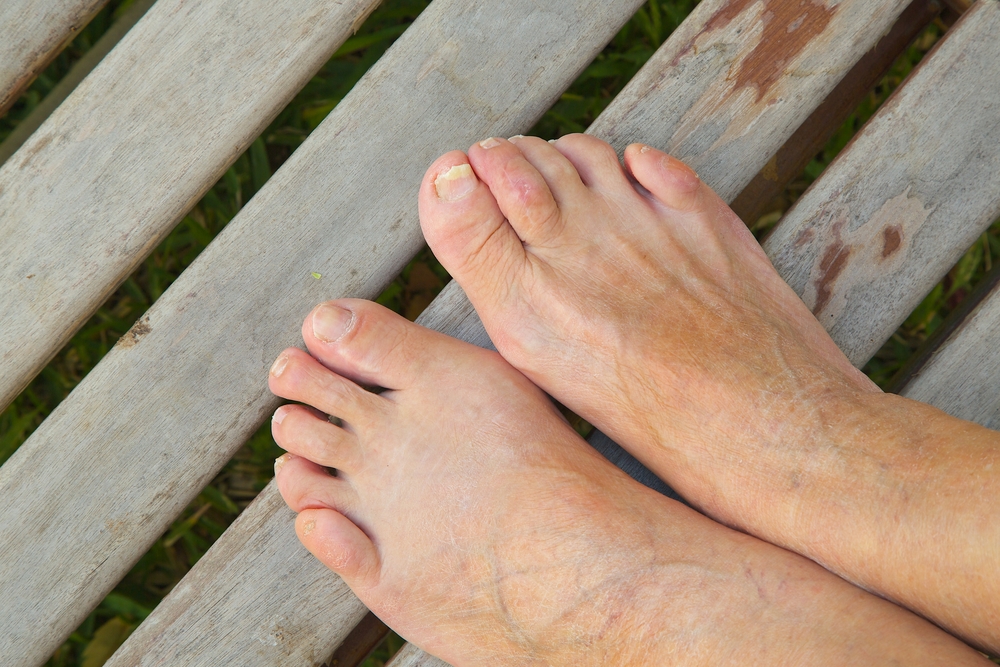
Heel Pain Can Be Treated!

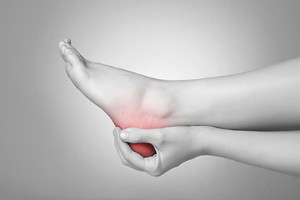
Do you suffer from heel pain when you get up in the morning? If so, you should seek professional help and have a proper diagnosis performed. Heel pain can be caused by several different foot-related conditions.

Hyperhidrosis and Anxiety

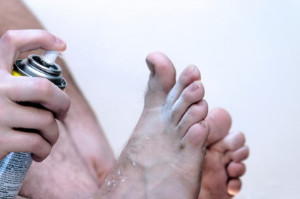
Hyperhidrosis of the feet is simply defined as a condition that can cause an individual to sweat excessively in the feet area. The sweating can be so severe that the feet even slip around in the shoes due to the excessive moisture. Due to the constant sweat on the feet, hyperhidrosis can make the feet more susceptible to infection. Hyperhidrosis of the feet might be linked to some kind of anxiety. If an individual has a particular kind of anxiety disorder, a common symptom that might manifest itself is sweaty feet. This can be linked to anxiety because sweating due to nervous feelings can often lead to a vicious cycle where an individual stresses about their sweating, causing more sweating. If you are someone that struggles with anxiety and sweating, consider reaching out to a podiatrist today. This foot specialist will be able to help you address any problems you have with hyperhidrosis.


If you are suffering from hyperhidrosis contact one of our podiatrists of Biebel & DeCotiis Podiatry Associates. Our doctors can provide the care you need to attend to all of your foot and ankle needs.

Hyperhidrosis of the Feet

Hyperhidrosis is a rare disorder that can cause people to have excessive sweating of their feet. This can usually occur all on its own without rigorous activity involved. People who suffer from hyperhidrosis may also experience sweaty palms.

Although it is said that sweating is a healthy process meant to cool down the body temperature and to maintain a proper internal temperature, hyperhidrosis may prove to be a huge hindrance on a person’s everyday life.

Plantar hyperhidrosis is considered to be the main form of hyperhidrosis. Secondary hyperhidrosis can refer to sweating that occurs in areas other than the feet or hands and armpits. Often this may be a sign of it being related to another medical condition such as menopause, hyperthyroidism and even Parkinson’s disease.

In order to alleviate this condition, it is important to see your doctor so that they may prescribe the necessary medications so that you can begin to live a normal life again. If this is left untreated, it is said that it will persist throughout an individual’s life.

A last resort approach would be surgery, but it is best to speak with your doctor to find out what may be the best treatment for you.

If you have any questions please feel free to contact one of our offices located in Holmdel and Middletown, NJ . We offer the newest diagnostic and treatment technologies for all your foot and ankle needs.

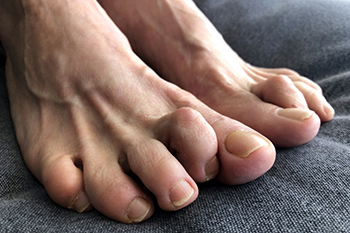
Read more about Hyperhidrosis of the Feet

Styles of Running Can Determine What Type of Shoe Is Worn

Choosing running shoes that fit well can be a daunting task. It can help to decide what kind of running is desired and find shoes that are a match. There are various types of running surfaces, including trails, roads, and treadmills. In addition to that, it is beneficial for the running style to be considered which can be racing, casual, or long-distance. Shoes that are made for road running often have extra cushioning and must be able to handle running on a hard surface. Trail running requires shoes that have more traction than other shoes and this can make it easier to run on dirt, mud, or rocks. Many people choose to wear lighter shoes if treadmill running is their style. This lighter type of shoe may have less cushioning. To ensure a proper fit for any type of running the foot must be accurately measured. This is done by combining the width of the shoe, the heel fit, and the instep. If you would like additional information about how to choose the right running shoes, please consult with a podiatrist.

If you are a runner, wearing the right running shoe is essential. For more information, contact one of our podiatrists from Biebel & DeCotiis Podiatry Associates. Our doctors can provide the care you need to keep you pain-free and on your feet.

Choosing the Right Running Shoe for Your Foot Type

To increase performance and avoid the risk of injury, it is important to choose the right running shoe based on your foot type. The general design of running shoes revolves around pronation, which is how the ankle rolls from outside to inside when the foot strikes the ground.

  • Neutral runners are able to choose from a wide variety of shoes, including minimalist shoes or even going barefoot.
  • Runners who overpronate, or experience an over-abundance of ankle rolling, should choose shoes that provide extra motion control and stability.
  • Runners who underpronate, or supinate, have feet that have high arches and lack flexibility, preventing shock absorption. They require shoes with more flexibility and cushion.

If you have any questions please feel free to contact one of our offices located in Holmdel and Middletown, NJ . We offer the newest diagnostic and treatment technologies for all your foot and ankle needs.
Read more about Choosing the Right Running Shoe for Your Foot Type

What Can Cause Neuropathy?

Peripheral neuropathy can cause a numbing and tingling sensation in the legs and feet. It is defined as nerve damage and it affects approximately half of diabetic patients. The nerves can become impaired as a result of elevated glucose and triglyceride levels that are found in the blood, which can lead to the small blood vessels that help to nourish the nerves being compromised. Common symptoms that are associated with neuropathy can include a burning, numbing, or tingling sensation in the feet and it is often difficult to walk. There may be a natural change in gait, or walking style, to compensate for these sensations. Balance may also be affected and the feet can appear swollen. It is helpful to learn about neuropathy prevention techniques, which can include monitoring glucose, cholesterol, and blood pressure levels. If you are afflicted with neuropathy, please consult with a podiatrist who can confirm this condition and guide you toward the correct treatment methods

Neuropathy

Neuropathy can be a potentially serious condition, especially if it is left undiagnosed. If you have any concerns that you may be experiencing nerve loss in your feet, consult with one of our podiatrists from Biebel & DeCotiis Podiatry Associates. Our doctors will assess your condition and provide you with quality foot and ankle treatment for neuropathy.

What Is Neuropathy?

Neuropathy is a condition that leads to damage to the nerves in the body. Peripheral neuropathy, or neuropathy that affects your peripheral nervous system, usually occurs in the feet. Neuropathy can be triggered by a number of different causes. Such causes include diabetes, infections, cancers, disorders, and toxic substances.

Symptoms of Neuropathy Include:

  • Numbness
  • Sensation loss
  • Prickling and tingling sensations
  • Throbbing, freezing, burning pains
  • Muscle weakness

Those with diabetes are at serious risk due to being unable to feel an ulcer on their feet. Diabetics usually also suffer from poor blood circulation. This can lead to the wound not healing, infections occurring, and the limb may have to be amputated.

Treatment

To treat neuropathy in the foot, podiatrists will first diagnose the cause of the neuropathy. Figuring out the underlying cause of the neuropathy will allow the podiatrist to prescribe the best treatment, whether it be caused by diabetes, toxic substance exposure, infection, etc. If the nerve has not died, then it’s possible that sensation may be able to return to the foot.

Pain medication may be issued for pain. Electrical nerve stimulation can be used to stimulate nerves. If the neuropathy is caused from pressure on the nerves, then surgery may be necessary.

If you have any questions, please feel free to contact one of our offices located in Holmdel and Middletown, NJ . We offer the newest diagnostic and treatment technologies for all your foot care needs.

Read more about Neuropathy

Checking the Bottom of the Feet for Diabetic Patients

The importance of practicing everyday foot care is crucial for people who have diabetes. This can begin by washing and drying the feet thoroughly, followed by inspecting the bottom of the feet by using a mirror. If a family member or caregiver is available, they can also help with this. Neuropathy is a common condition for diabetic patients to develop and this is a nerve disorder that causes the inability to feel existing cuts or scrapes on the feet. If these cuts do not receive the prompt medical attention they need, they can become infected and ultimately lead to a diabetic foot ulcer. It is beneficial to properly trim the toenails weekly as this may help to prevent a painful ingrown toenail from developing. Additionally, it is suggested that diabetic patients always wear shoes and socks as well as frequently elevate the legs to help increase circulation. Diabetic patients are urged to be under the care of a podiatrist who can treat and manage this condition.

Diabetic foot care is important in preventing foot ailments such as ulcers. If you are suffering from diabetes or have any other concerns about your feet, contact one of our podiatrists from Biebel & DeCotiis Podiatry Associates. Our doctors can provide the care you need to keep you pain-free and on your feet.

Diabetic Foot Care

Diabetes affects millions of people every year. The condition can damage blood vessels in many parts of the body, especially the feet. Because of this, taking care of your feet is essential if you have diabetes, and having a podiatrist help monitor your foot health is highly recommended.

The Importance of Caring for Your Feet

  • Routinely inspect your feet for bruises or sores.
  • Wear socks that fit your feet comfortably.
  • Wear comfortable shoes that provide adequate support.

Patients with diabetes should have their doctor monitor their blood levels, as blood sugar levels play such a huge role in diabetic care. Monitoring these levels on a regular basis is highly advised.

It is always best to inform your healthcare professional of any concerns you may have regarding your feet, especially for diabetic patients. Early treatment and routine foot examinations are keys to maintaining proper health, especially because severe complications can arise if proper treatment is not applied.

If you have any questions, please feel free to contact one of our offices located in Holmdel and Middletown, NJ . We offer the newest diagnostic and treatment technologies for all your foot care needs.

Read more about Diabetic Foot Conditions

Connect With Us