Connect With Us

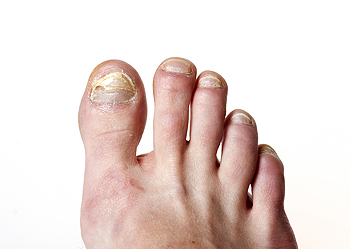
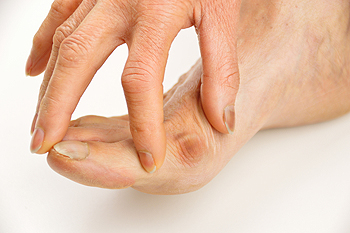
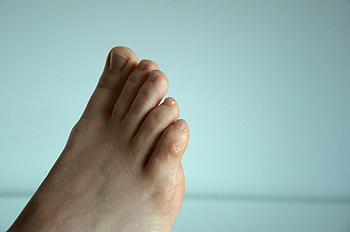
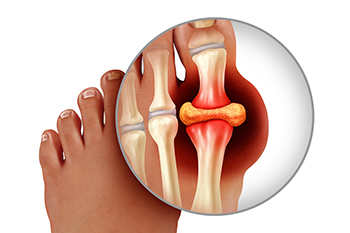
Toe pain can have many causes, including trauma, bunions, corns, fractures, and gout. Other causes of toe pain include ingrown toenails, hammertoe, arthritis, and improper footwear. Still other causes of toe pain are athlete’s foot, arthritis, and turf toe. Among the symptoms you may experience are a burning feeling or warmth in the joint, difficulty moving the toe, bruising or skin discoloration, and swelling. To find out the exact cause of the pain, a podiatrist can start by taking a history, such as the location of the pain, when it started, the severity of the pain, and the type of pain. Is it a dull, throbbing sensation or an acute, sharp pain? Is the pain constant or does it come and go? Next a visual examination is likely. If a toe is severely bruised, it may indicate that an X-ray or other imaging test is needed to determine the cause. In some cases, as with diabetic patients, runners, or athletes, a more in-depth history and examination may be necessary. Once the cause is determined, a podiatrist can suggest the proper treatment plan for you.
Toe pain can disrupt your daily activities. If you have any concerns, contact one of our podiatrists of Biebel & DeCotiis Podiatry Associates. Our doctors can provide the care you need to keep you pain-free and on your feet.
What Causes Toe Pain?
Most severe toe pain is caused due to a sports injury, trauma from dropping something heavy on the toe, or bumping into something rigid. Other problems can develop over time for various reasons.
Toe pain can be caused by one or more ailments. The most common include:
When to See a Podiatrist
Diagnosis
In many cases the cause of toe pain is obvious, but in others, a podiatrist may want to use more advanced methods to determine the problem. These can range from simple visual inspections and sensation tests to X-rays and MRI scans. Prior medical history, family medical history, and any recent physical traumatic events will all be taken into consideration for a proper diagnosis.
Treatment
Treatments for toe pain and injuries vary and may include shoe inserts, padding, taping, medicines, injections, and in some cases, surgery. If you believe that you have broken a toe, please see a podiatrist as soon as possible.
If you have any questions please feel free to contact one of our offices located in Holmdel and Middletown, NJ . We offer the newest diagnostic tools and technology to treat your foot and ankle needs.

Cracked heels can develop into fissures that become both painful and potentially dangerous. A fissure is a deep crack in the skin of the heel, usually caused by a lack of moisturization. Some conditions can contribute to the formation of heel fissures, including living in a dry climate, frequently wearing open-backed shoes, walking barefoot, and being overweight. Certain underlying medical problems, such as diabetes and hypothyroidism, also may be causes of heel fissures. Because open crevices in the skin can invite bacterial infection, it is essential to deal with heel fissures as soon as possible. Applying good-quality moisture creams or lotions several times a day and covering the feet with socks can speed up the healing process. People with diabetes, poor circulation, or auto-immune deficiency would be wise to consult a podiatrist for help with eliminating heel fissures in a safe and timely fashion.
If the skin on your feet starts to crack, you may want to see a podiatrist to find treatment. If you have any concerns, contact one of our podiatrists from Biebel & DeCotiis Podiatry Associates. Our doctors can provide the care you need to keep you pain-free and on your feet.
Cracked Heels
It is important to moisturize your cracked heels in order to prevent pain, bleeding, and infection. The reason cracked heels form is because the skin on the foot is too dry to support the immense pressure placed on them. When the foot expands, the dry skin on the foot begins to split.
Ways to Help Heal Them
Ways to Prevent Cracked Heels
If you are unsure how to proceed in treating cracked heels, seek guidance from a podiatrist. Your doctor will help you with any questions or information you may need.
If you have any questions, please feel free to contact one of our offices located in Holmdel and Middletown, NJ . We offer the newest diagnostic and treatment technologies for all your foot care needs.

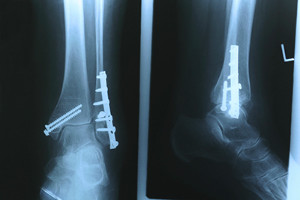
When an individual breaks a bone in their feet, they will develop a condition that is known as a fractured foot. A fractured, or broken, foot can make it significantly difficult to put weight on the foot, and a patient may experience pain or discomfort. Often, patients with a fractured foot want to know if they are able to wear their normal shoes or when it is appropriate to do so. Unfortunately, there is no definite or universal answer to this question, as each case of fractured feet is highly specific and unique to each individual. However, as a general rule, someone who fractures their foot might have to wear some kind of medical boot or cast on the affected foot for some time after an injury. During this time, it might not be advisable to wear normal shoes. Although recovery time may vary from case to case, generally, foot fractures may take a few months to fully heal. To get treatment for a fractured foot, contact a podiatrist today.
A broken foot requires immediate medical attention and treatment. If you need your feet checked, contact one of our podiatrists from Biebel & DeCotiis Podiatry Associates. Our doctors can provide the care you need to keep you pain-free and on your feet.
Broken Foot Causes, Symptoms, and Treatment
A broken foot is caused by one of the bones in the foot typically breaking when bended, crushed, or stretched beyond its natural capabilities. Usually the location of the fracture indicates how the break occurred, whether it was through an object, fall, or any other type of injury.
Common Symptoms of Broken Feet:
Those that suspect they have a broken foot shoot seek urgent medical attention where a medical professional could diagnose the severity.
Treatment for broken bones varies depending on the cause, severity and location. Some will require the use of splints, casts or crutches while others could even involve surgery to repair the broken bones. Personal care includes the use of ice and keeping the foot stabilized and elevated.
If you have any questions, please feel free to contact one of our offices located in Holmdel and Middletown, NJ . We offer the newest diagnostic and treatment technologies for all your foot care needs.

A rash that develops on the foot may be athlete’s foot. It is an uncomfortable condition that is found between the toes and on the bottom of the foot, and severe itching is a common symptom. Additionally, the skin may turn red, and small blisters can be seen. Athlete’s foot is caused by a fungus that lives in warm environments, such as shower room floors and public swimming pools. It can enter the body through small cracks in the skin, and it is suggested to wear appropriate shoes while in these areas. These can consist of flip-flops or water shoes, and walking barefoot is frowned upon. There are three categories of athlete’s foot which can slightly differ. Peeling or cracked skin that is found between the fourth and fifth toes may indicate a toe web infection has developed. A moccasin-type infection may start with a sore foot, then followed by the skin becoming thick. Blisters that are on the sole of the foot may be the beginning of a vesicular infection and may travel to other parts of the foot. If you are afflicted with any type of athlete's foot, please consult with a podiatrist who can prescribe the necessary medication for complete healing.
Athlete’s foot is an inconvenient condition that can be easily reduced with the proper treatment. If you have any concerns about your feet and ankles, contact one of our podiatrists from Biebel & DeCotiis Podiatry Associates. Our doctors will treat your foot and ankle needs.
Athlete’s Foot: The Sole Story
Athlete's foot, also known as tinea pedis, can be an extremely contagious foot infection. It is commonly contracted in public changing areas and bathrooms, dormitory style living quarters, around locker rooms and public swimming pools, or anywhere your feet often come into contact with other people.
Solutions to Combat Athlete’s Foot
Athlete’s foot can cause many irritating symptoms such as dry and flaking skin, itching, and redness. Some more severe symptoms can include bleeding and cracked skin, intense itching and burning, and even pain when walking. In the worst cases, Athlete’s foot can cause blistering as well. Speak to your podiatrist for a better understanding of the different causes of Athlete’s foot, as well as help in determining which treatment options are best for you.
If you have any questions please feel free to contact one of our offices located in Holmdel and Middletown, NJ . We offer the newest diagnostic and treatment technologies for all your foot and ankle needs.
Connect With Us