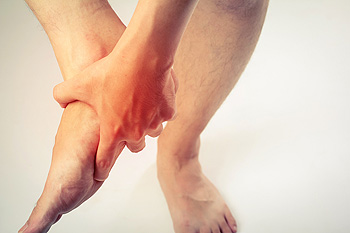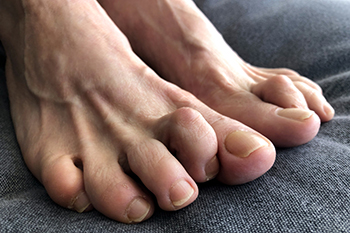
Origins and Symptoms Revealed for Athlete’s Foot

Athlete's foot, a common fungal infection, traces its origin to warm and damp environments where fungi thrive. The condition flourishes in places such as communal showers, swimming pools, and locker rooms, creating an opportune breeding ground for the fungi responsible for athlete's foot. The culprits behind this ailment are dermatophyte fungi, particularly trichophyton species, which thrive on dead skin cells and multiply in moist conditions. Symptoms of athlete's foot manifest as redness, itching, and a burning sensation, often concentrated between the toes. As the infection progresses, the skin may peel, crack, or develop blisters. The discomfort may extend beyond the toes, affecting the soles of the feet. Recognizing these symptoms is vital for prompt intervention and effective management. If you have developed athlete’s foot, it is suggested that you consult a podiatrist who can offer you effective treatment and prevention techniques.

Athlete’s Foot

Athlete’s foot is often an uncomfortable condition to experience. Thankfully, podiatrists specialize in treating athlete’s foot and offer the best treatment options. If you have any questions about athlete’s foot, consult with one of our podiatrists from Biebel & DeCotiis Podiatry Associates. Our doctors will assess your condition and provide you with quality treatment.

What Is Athlete’s Foot?

Tinea pedis, more commonly known as athlete’s foot, is a non-serious and common fungal infection of the foot. Athlete’s foot is contagious and can be contracted by touching someone who has it or infected surfaces. The most common places contaminated by it are public showers, locker rooms, and swimming pools. Once contracted, it grows on feet that are left inside moist, dark, and warm shoes and socks.

Prevention

The most effective ways to prevent athlete’s foot include:

  • Thoroughly washing and drying feet
  • Avoid going barefoot in locker rooms and public showers
  • Using shower shoes in public showers
  • Wearing socks that allow the feet to breathe
  • Changing socks and shoes frequently if you sweat a lot

Symptoms

Athlete’s foot initially occurs as a rash between the toes. However, if left undiagnosed, it can spread to the sides and bottom of the feet, toenails, and if touched by hand, the hands themselves. Symptoms include:

  • Redness
  • Burning
  • Itching
  • Scaly and peeling skin

Diagnosis and Treatment

Diagnosis is quick and easy. Skin samples will be taken and either viewed under a microscope or sent to a lab for testing. Sometimes, a podiatrist can diagnose it based on simply looking at it. Once confirmed, treatment options include oral and topical antifungal medications.

If you have any questions, please feel free to contact one of our offices located in Holmdel and Middletown, NJ . We offer the newest diagnostic and treatment technologies for all your foot care needs.

Read more about Athlete’s Foot

Treatment of Toenail Fungus

The treatment of toenail fungus, medically known as onychomycosis, aims to eliminate the fungal infection and improve the appearance and health of the affected nails. Treatment options for toenail fungus can vary depending on the severity of the infection. In many cases, antifungal nail paints or creams can be effective for mild infections. These topical treatments need to be applied consistently over several months. For more severe or persistent cases, prescription medications may be required. Oral antifungal medications prescribed by a podiatrist are often more potent and can lead to better outcomes. However, they may have side effects and require monitoring during treatment. In some instances, where the infection is resistant to other treatments or when multiple nails are affected, surgical options such as nail removal or laser therapy may be considered. If you have toenail fungus, it is suggested that you schedule an appointment with a podiatrist for a consultation and treatment appropriate to your situation.

For more information about treatment, contact one of our podiatrists of Biebel & DeCotiis Podiatry Associates. Our doctors can provide the care you need to keep you pain-free and on your feet.

Toenail Fungus Treatment

Toenail fungus is a condition that affects many people and can be especially hard to get rid of. Fortunately, there are several methods to go about treating and avoiding it.

Antifungals & Deterrence

Oral antifungal medicine has been shown to be effective in many cases. It is important to consult with a podiatrist to determine the proper regiment for you, or potentially explore other options.

Applying foot powder on the feet and shoes helps keep the feet free of moisture and sweat.

Sandals or open toed shoes – Wearing these will allow air movement and help keep feet dry. They also expose your feet to light, which fungus cannot tolerate. Socks with moisture wicking material also help as well.

If you have any questions please contact one of our offices located in Holmdel and Middletown, NJ . We offer the newest diagnostic and treatment technologies for all your foot and ankle needs.

Read more about Toenail Fungus

What Can Be Done About Bunions?

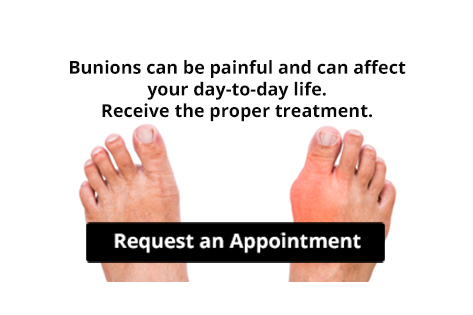
Bunions, also known as hallux valgus, are a common and often misunderstood foot deformity. While they may appear as a bump on the side of the big toe, they involve changes in the bone structure. The big toe leans towards the second toe, causing misalignment and the formation of the visible bump. Bunions are progressive and develop over time. Symptoms may include pain, inflammation, burning, and even numbness, especially when wearing tight shoes or high heels. Women are more prone to symptoms due to footwear choices. While shoes do not cause bunions, they can exacerbate the condition. Bunions can be caused by an inherited faulty foot structure, making some people more susceptible. Diagnosis involves a physical examination and X-rays to assess the deformity's extent. Treatment options include changes in footwear, padding, activity modification, medication, injections, and custom orthotic devices. Surgery may be necessary when non-surgical treatments fail to alleviate pain and interfere with daily activities. Various surgical procedures aim to correct the deformity and reduce pain. The choice of surgery depends on factors like the extent of deformity, age, and activity level. If you have a painful bunion, it is suggested that you schedule an appointment with a podiatrist to see how they can help you.

If you are suffering from bunion pain, contact one of our podiatrists of Biebel & DeCotiis Podiatry Associates. Our doctors can provide the care you need to keep you pain-free and on your feet.

What Is a Bunion?

Bunions are painful bony bumps that usually develop on the inside of the foot at the joint of the big toe. As the deformity increases over time, it may become painful to walk and wear shoes. Women are more likely to exacerbate existing bunions since they often wear tight, narrow shoes that shift their toes together. Bunion pain can be relieved by wearing wider shoes with enough room for the toes.

Causes

  • Genetics – some people inherit feet that are more prone to bunion development
  • Inflammatory Conditions - rheumatoid arthritis and polio may cause bunion development

Symptoms

  • Redness and inflammation
  • Pain and tenderness
  • Callus or corns on the bump
  • Restricted motion in the big toe

In order to diagnose your bunion, your podiatrist may ask about your medical history, symptoms, and general health. Your doctor might also order an x-ray to take a closer look at your feet. Nonsurgical treatment options include orthotics, padding, icing, changes in footwear, and medication. If nonsurgical treatments don’t alleviate your bunion pain, surgery may be necessary.

If you have any questions, please feel free to contact one of our offices located in Holmdel and Middletown, NJ . We offer the newest diagnostic and treatment technologies for all your foot care needs.

Read more about Bunions

Potential Causes of Foot Cramps

Foot cramps, though common, can be a perplexing and uncomfortable experience. Understanding the underlying causes is essential for effective prevention and relief. Dehydration is a leading contributor, and insufficient fluid intake can disrupt the balance of electrolytes, leading to cramping. Poor circulation, often associated with prolonged sitting or standing, can deprive the muscles of adequate oxygen, triggering cramps. Overexertion or inadequate stretching during physical activities may strain muscles and result in cramping. Certain medications, such as diuretics or statins, may also be culprits. Mineral deficiencies, particularly in magnesium, potassium, or calcium, play a significant role in cramp development. Footwear choices, including ill-fitting shoes or high heels, can contribute to muscle imbalances and cramping. Pregnancy, neurological conditions, and metabolic disorders are additional factors that can induce foot cramps. If you have foot cramps, it is strongly suggested that you speak to a podiatrist who can determine the cause and offer effective treatment methods.

Foot Pain

Foot pain can be extremely painful and debilitating. If you have a foot pain, consult with one of our podiatrists from Biebel & DeCotiis Podiatry Associates. Our doctors will assess your condition and provide you with quality foot and ankle treatment.

Causes

Foot pain is a very broad condition that could be caused by one or more ailments. The most common include:

  • Bunions
  • Hammertoes
  • Plantar Fasciitis
  • Bone Spurs
  • Corns
  • Tarsal Tunnel Syndrome
  • Ingrown Toenails
  • Arthritis (such as Gout, Rheumatoid, and Osteoarthritis)
  • Flat Feet
  • Injury (from stress fractures, broken toe, foot, ankle, Achilles tendon ruptures, and sprains)
  • And more

Diagnosis

To figure out the cause of foot pain, podiatrists utilize several different methods. This can range from simple visual inspections and sensation tests to X-rays and MRI scans. Prior medical history, family medical history, and any recent physical traumatic events will all be taken into consideration for a proper diagnosis.

Treatment

Treatment depends upon the cause of the foot pain. Whether it is resting, staying off the foot, or having surgery; podiatrists have a number of treatment options available for foot pain.

If you have any questions, please feel free to contact one of our offices located in Holmdel and Middletown, NJ . We offer the newest diagnostic and treatment technologies for all your foot care needs.

Read more about Foot Pain

Connect With Us