Understanding Corns and Their Causes

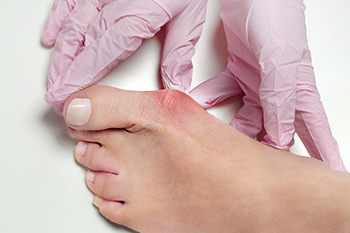
Corns, a common foot ailment, refer to thickened areas of skin that develop in response to pressure or friction. These small, round, or cone-shaped growths typically form on the toes or feet, causing discomfort and pain. The two primary types of corns are hard corns and soft corns. Hard corns, also known as heloma durum, form on dry, firm areas of skin, often on the tops or sides of toes. Soft corns, or heloma molle, develop between the toes where the skin is moist, appearing white and rubbery. Corns develop as a protective mechanism against repeated pressure or friction, commonly caused by wearing ill-fitting shoes, high heels, or excessive walking or running. Additionally, foot deformities like bunions or hammertoes can contribute to corn formation. Understanding the medical terminology associated with corns and their underlying causes is essential for effective treatment and prevention strategies. Corns on the feet can be painful. If you have developed this foot condition, it is suggested that you visit a podiatrist who can offer you effective relief techniques.

If you have any concerns regarding your feet and ankles, contact one of our podiatrists of Biebel & DeCotiis Podiatry Associates. Our doctors will treat your foot and ankle needs.

Corns: What Are They? and How Do You Get Rid of Them?
Corns can be described as areas of the skin that have thickened to the point of becoming painful or irritating. They are often layers and layers of the skin that have become dry and rough, and are normally smaller than calluses.

Ways to Prevent Corns
There are many ways to get rid of painful corns such as wearing:

  • Well-fitting socks
  • Comfortable shoes that are not tight around your foot
  • Shoes that offer support

Treating Corns
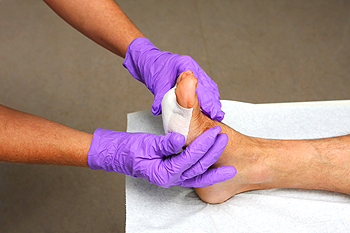
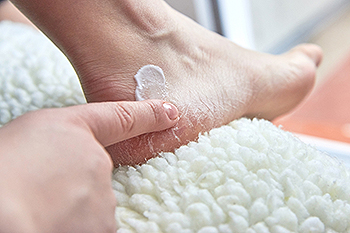
Treatment of corns involves removing the dead skin that has built up in the specific area of the foot. Consult with Our doctors to determine the best treatment option for your case of corns.

If you have any questions, please feel free to contact one of our offices located in Holmdel and Middletown, NJ . We offer the newest diagnostic and treatment technologies for all your foot care needs.

Read more about Corns and Calluses

The Role of Orthotics in Managing Diabetic Foot Problems

Orthotics can play an important role in managing foot problems associated with diabetes, which can include neuropathy, poor circulation, and foot deformities. Custom orthotics provide essential support and cushioning, reducing pressure on sensitive areas of the foot and preventing the formation of ulcers. They help distribute weight evenly, alleviating hotspots that can lead to skin breakdown and infection. Additionally, orthotics can correct biomechanical abnormalities and promote proper foot alignment, reducing the risk of foot deformities and improving overall stability. For diabetic individuals, orthotics are often designed with materials that offer extra padding and shock absorption to minimize friction and protect vulnerable areas. If you are a diabetic and experiencing foot problems, it is strongly suggested that you make an appointment with a podiatrist for an evaluation and a discussion of custom-made foot orthotics as part of your treatment. Regular monitoring and adjustments by a podiatrist are needed so that orthotics remain effective and accommodate any changes in foot structure or condition.

If you’re experiencing foot discomfort, have a history of foot and ankle injuries, or are interested in exploring Custom orthotics, don’t hesitate to contact one of our podiatrists at Biebel & DeCotiis Podiatry Associates. Our doctors is dedicated to offering the care required to help you remain pain-free and stay on your feet. 

What are Custom Orthotics?

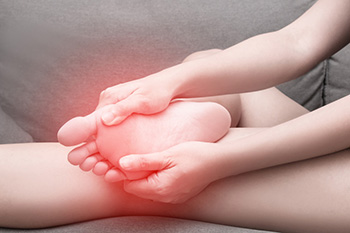
Custom orthotics refer to custom inserts designed for placement in different shoe types, including athletic and formal footwear, with the purpose of alleviating a spectrum of foot-related problems such as flat feet, heel pain, and overall foot discomfort. These inserts are instrumental in providing relief and comfort for a diverse range of foot conditions, including heel pain, and can also act as a proactive approach to injury prevention. 

Medical Grade Shoe Inserts: 

A diverse array of shoe inserts is available for addressing foot pain, heel discomfort, and minor issues. For instance, you can place arch supports in your shoes to rectify overarched or flat feet, and gel and cushioned insoles are frequently chosen for the comfort and relief they provide from foot and heel pain by reducing pressure. 

If you have any questions please contact one of our offices located in Holmdel and Middletown, NJ . We offer the newest diagnostic and treatment technologies for all your foot and ankle needs.
Read more about Investing in Custom Orthotics Means Investing in Foot Health

Proper Footwear for Medical Professionals

Selecting the appropriate footwear is important for medical employees, whose demanding roles require long hours of standing, walking, and patient care. The right shoes not only enhance comfort and alleviate fatigue but also play a critical role in preventing foot problems and injuries. Medical professionals often face unique challenges, such as exposure to bodily fluids, slippery surfaces, and the need for sterile environments. Therefore, shoes with non-slip soles, waterproof materials, and easy-to-clean surfaces are essential to ensure safety and hygiene. Additionally, supportive footwear with adequate cushioning, arch support, and shock absorption helps reduce strain on the feet, ankles, and lower back, minimizing the risk of musculoskeletal issues and promoting overall well-being. By investing in quality shoes that cater to their specific needs, medical employees can maintain optimal performance and focus on patient care. If you have foot pain from wearing shoes that do not fit well during your work day, it is suggested that you contact a podiatrist who can offer help to remedy your discomfort.

While working on the feet, it is important to take the proper care of them. For more information about working on your feet, contact one of our podiatrists from Biebel & DeCotiis Podiatry Associates. Our doctors will treat your foot and ankle needs.

Working on Your Feet

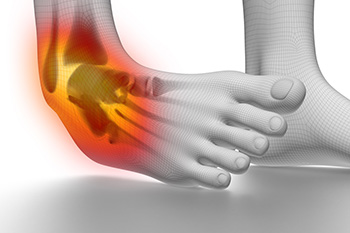
Standing on your feet for long periods of time can cause stress and pain in your feet. Your whole body may experience change in terms of posture, back pain, bunions, callouses and or plantar warts. There are ways to avoid these conditions with proper foot care, smart choices and correct posture.

Positive Changes

Negative heeled shoe – Choosing this shoe type places the heel slightly lower than the ball of the foot. These are great for overall foot health. Find shoes that fit you correctly.

Go barefoot – Our feet were not designed to be enclosed for all hours of the day. Try to periodically expose your feet to air.

Eliminate Pain

Foot Exercises – Performing simple exercises, incorporating yoga and doing stretches are beneficial. This will allow increased blood flow to the area and muscles of the foot.

Achilles tendon – Stretching the foot out flat on the floor will relax the calf muscles and tendon. These exercises can be performed almost anywhere. Make sure you add these exercises to your daily regimen. 

With a little bit of this information and knowing more about foot health, you will notice changes. Foot stretches and proper footwear will help with pain and prevent further issues.

If you have any questions please contact one of our offices located in Holmdel and Middletown, NJ . We offer the newest diagnostic and treatment technologies for all your foot and ankle needs.
Read more about Working on Your Feet

Do Your Child's Feet Hurt?

Have your child's feet been examined lately? Healthy feet are happy feet. If your child is complaining of foot pain, it may be a sign of underlying problems.

Causes and Symptoms of Toe Pain

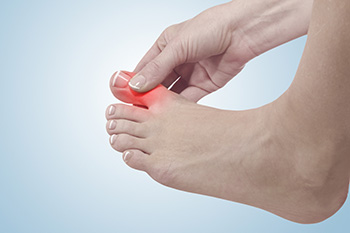
Toe pain, though often overlooked, can significantly impact daily life and mobility. Several factors can contribute to toe discomfort, ranging from minor injuries to underlying medical conditions. Stubbing or jamming the toe, for instance, can result in acute pain and swelling. Additionally, wearing ill-fitting shoes or high heels can cause pressure and friction, leading to conditions like corns, calluses, or ingrown toenails. Arthritis, whether osteoarthritis or rheumatoid arthritis, can affect the joints in the toes, causing chronic pain and stiffness. Moreover, fungal infections like athlete's foot can manifest as itching, burning, and pain between the toes. Symptoms of toe pain may vary depending on the underlying cause but commonly include tenderness, swelling, redness, and difficulty walking or bearing weight on the affected toe. Proper diagnosis and treatment are essential for relieving toe pain and preventing further complications. If your toe pain persists, it is suggested that you visit a podiatrist who can determine what the cause is, and offer appropriate treatment solutions.

Toe pain can disrupt your daily activities. If you have any concerns, contact one of our podiatrists of Biebel & DeCotiis Podiatry Associates. Our doctors can provide the care you need to keep you pain-free and on your feet.

What Causes Toe Pain?

Most severe toe pain is caused due to a sports injury, trauma from dropping something heavy on the toe, or bumping into something rigid. Other problems can develop over time for various reasons.

Toe pain can be caused by one or more ailments. The most common include:

  • Trauma
  • Sports injury
  • Wearing shoes that are too tight
  • Arthritis
  • Gout
  • Corns and calluses
  • Hammertoe
  • Bunions
  • Blisters
  • Ingrown toenails
  • Sprains
  • Fractures (broken bones)
  • Dislocations

When to See a Podiatrist

  • Severe pain
  • Persistent pain that lasts more than a week
  • Signs of infection
  • Continued swelling
  • Pain that prevents walking

Diagnosis

In many cases the cause of toe pain is obvious, but in others, a podiatrist may want to use more advanced methods to determine the problem. These can range from simple visual inspections and sensation tests to X-rays and MRI scans. Prior medical history, family medical history, and any recent physical traumatic events will all be taken into consideration for a proper diagnosis.

Treatment

Treatments for toe pain and injuries vary and may include shoe inserts, padding, taping, medicines, injections, and in some cases, surgery. If you believe that you have broken a toe, please see a podiatrist as soon as possible.

If you have any questions please contact one of our offices located in Holmdel and Middletown, NJ . We offer the newest diagnostic and treatment technologies for all your foot and ankle needs.
Read more about Toe Pain

Connect With Us