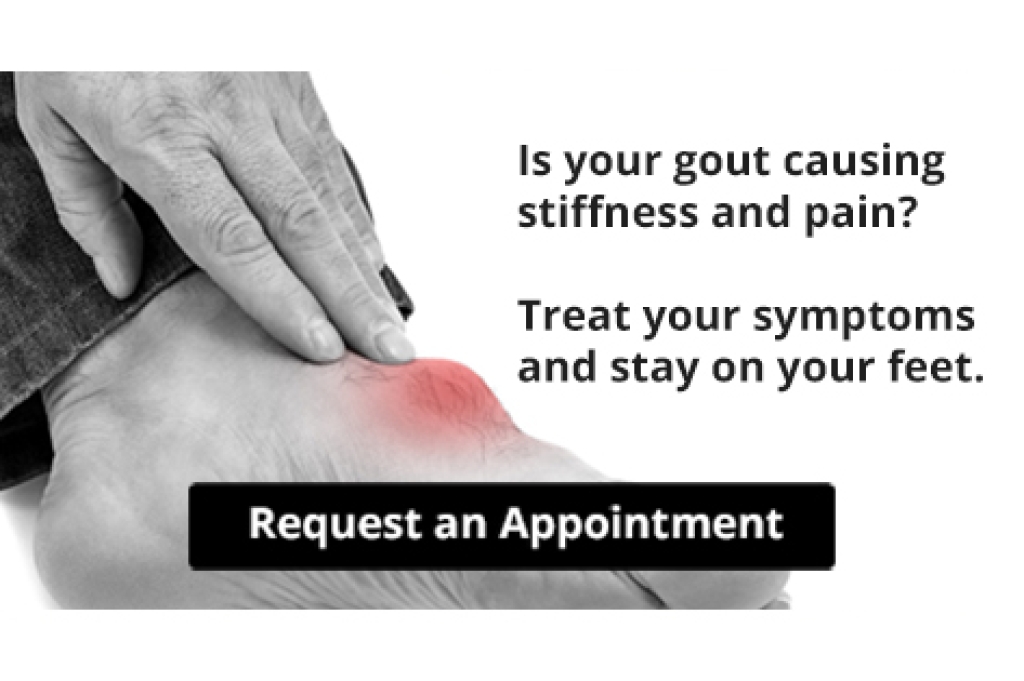
Gout is a painful, inflammatory form of arthritis. Those affected will typically feel an intense stiffness in the joints of their feet, particularly in the big toe. Schedule a visit to learn about how gout can be managed and treated.
Gout is a painful, inflammatory form of arthritis. Those affected will typically feel an intense stiffness in the joints of their feet, particularly in the big toe. Schedule a visit to learn about how gout can be managed and treated.
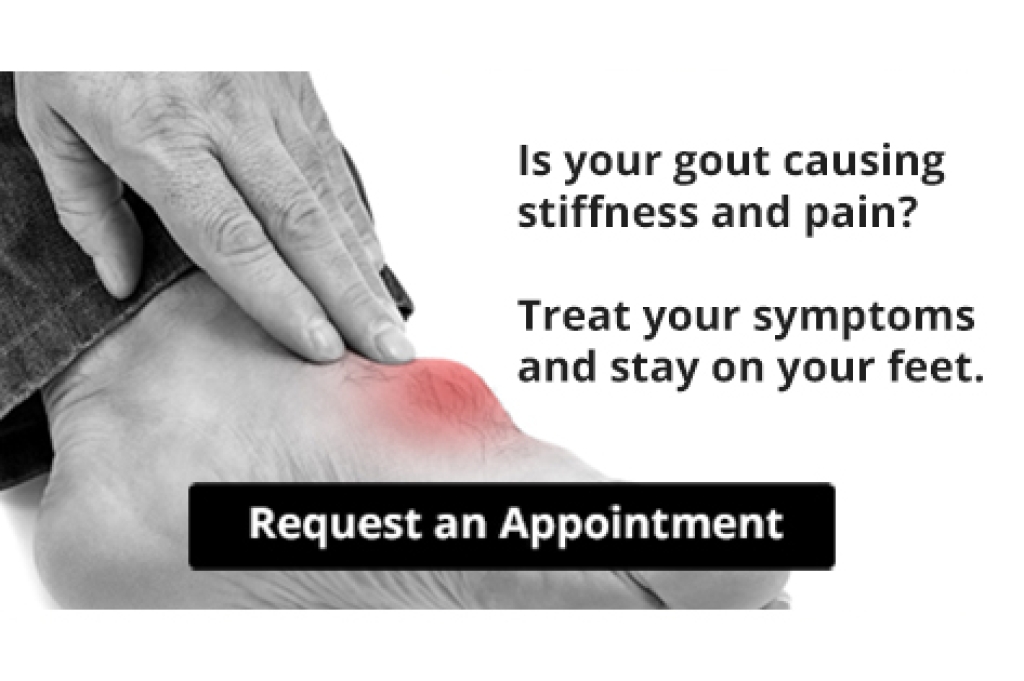
Gout is a painful, inflammatory form of arthritis. Those affected will typically feel an intense stiffness in the joints of their feet, particularly in the big toe. Schedule a visit to learn about how gout can be managed and treated.
Peripheral artery disease, or PAD, is a condition where fatty deposits build up in the arteries, restricting blood flow to muscles and organs. This poor circulation affects about 6.5 million Americans over 40 years of age. During physical activities such as walking or climbing stairs, muscles need more blood and oxygen. If arteries are clogged due to PAD, these muscles may hurt because they are not getting what they need, but the pain typically subsides with rest. However, PAD is more than just about muscle pain during activity. It can affect the overall quality and length of life, limiting how far or long one can walk, and it may increase the risk for heart attack and stroke. Despite its seriousness, PAD often goes unrecognized. People at risk for PAD typically include those who have leg pain, individuals over 70 years of age, and those over 50 years old who have diabetes, or a history of smoking. Recognizing and getting treatment for PAD is crucial for maintaining health and preventing more serious complications. If you have any of the aforementioned symptoms, or belong to a high-risk group, it is strongly suggested that you make an appointment with a podiatrist as soon as possible for a proper diagnosis and treatment plan.
Peripheral artery disease can pose a serious risk to your health. It can increase the risk of stroke and heart attack. If you have symptoms of peripheral artery disease, consult with one of our podiatrists from Biebel & DeCotiis Podiatry Associates. Our doctors will assess your condition and provide you with quality foot and ankle treatment.
Peripheral artery disease (PAD) is when arteries are constricted due to plaque (fatty deposits) build-up. This results in less blood flow to the legs and other extremities. The main cause of PAD is atherosclerosis, in which plaque builds up in the arteries.
Symptoms
Symptoms of PAD include:
It is important to note that a majority of individuals never show any symptoms of PAD.
Diagnosis
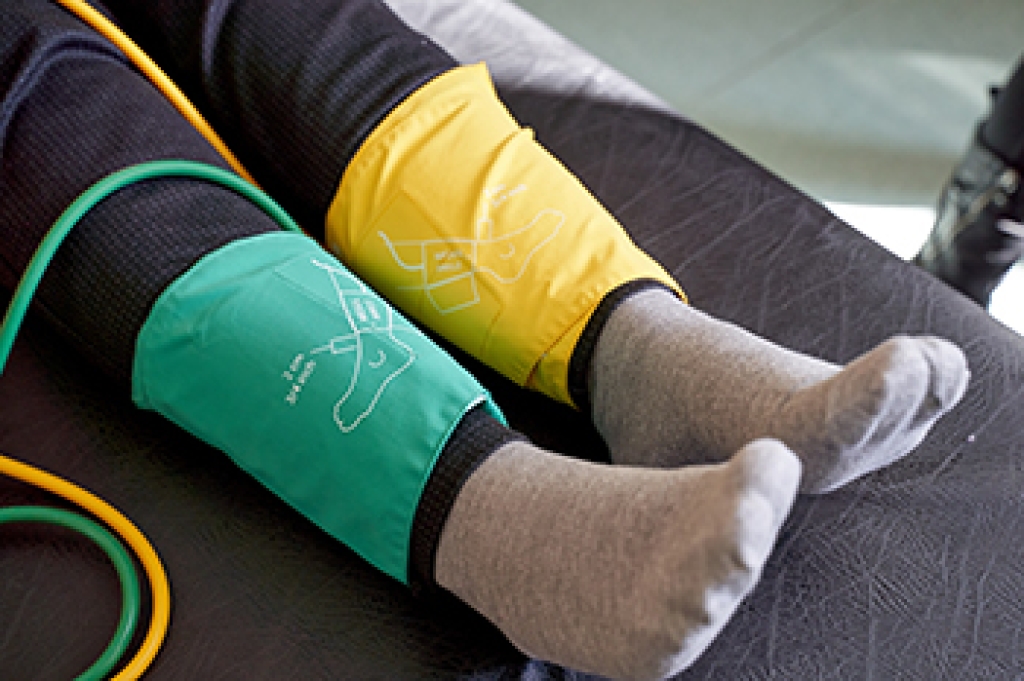
While PAD occurs in the legs and arteries, Podiatrists can diagnose PAD. Podiatrists utilize a test called an ankle-brachial index (ABI). An ABI test compares blood pressure in your arm to you ankle to see if any abnormality occurs. Ultrasound and imaging devices may also be used.
Treatment
Fortunately, lifestyle changes such as maintaining a healthy diet, exercising, managing cholesterol and blood sugar levels, and quitting smoking, can all treat PAD. Medications that prevent clots from occurring can be prescribed. Finally, in some cases, surgery may be recommended.
If you have any questions, please feel free to contact one of our offices located in Holmdel and Middletown, NJ . We offer the newest diagnostic and treatment technologies for all your foot care needs.
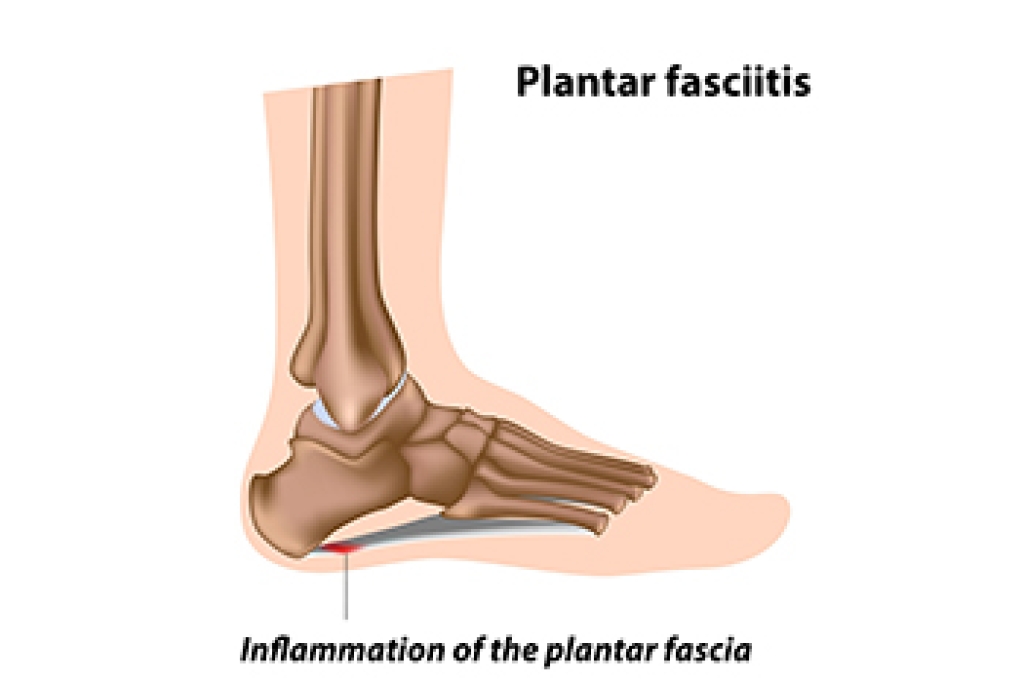
Plantar fasciitis is a common foot condition that results from inflammation and irritation of the plantar fascia, a thick band of tissue connecting the heel bone to the toes. The hallmark symptom of plantar fasciitis is sharp, stabbing heel pain, which can sometimes radiate along the arch or sole of the foot. Some individuals may experience periodic, temporary flares of intense heel pain, while others may have persistent, chronic discomfort in their feet. This pain is often most intense in the morning or after extended rest, and it typically eases within 10 minutes of walking or stretching. However, it can worsen toward the end of the day due to prolonged standing or activities, like climbing stairs and intense exercise, which can stress the plantar fascia. Inflammation of the plantar fascia can lead to visible swelling and redness around the heel and arch of the foot. Even when not visually swollen, the affected area can feel tender and puffy when touched. Additionally, the condition can affect the Achilles tendon, leading to pain. Tightness in the plantar fascia also can cause the foot to roll inward while walking, increasing stress and tension on the Achilles tendon. If you believe you may have plantar fasciitis, it is suggested that you make an appointment with a podiatrist, a medically trained foot doctor, who is able to help you manage this painful condition.
Plantar fasciitis can be very painful and inconvenient. If you are experiencing heel pain or symptoms of plantar fasciitis, contact one of our podiatrists from Biebel & DeCotiis Podiatry Associates. Our doctors can provide the care you need to keep you pain-free and on your feet.
What Is Plantar Fasciitis?
Plantar fasciitis is the inflammation of the thick band of tissue that runs along the bottom of your foot, known as the plantar fascia, and causes mild to severe heel pain.
What Causes Plantar Fasciitis?
How Can It Be Treated?
While very treatable, plantar fasciitis is definitely not something that should be ignored. Especially in severe cases, speaking to your doctor right away is highly recommended to avoid complications and severe heel pain. Your podiatrist can work with you to provide the appropriate treatment options tailored to your condition.
If you have any questions, please feel free to contact one of our offices located in Holmdel and Middletown, NJ . We offer the newest diagnostic and treatment technologies for all your foot care needs.
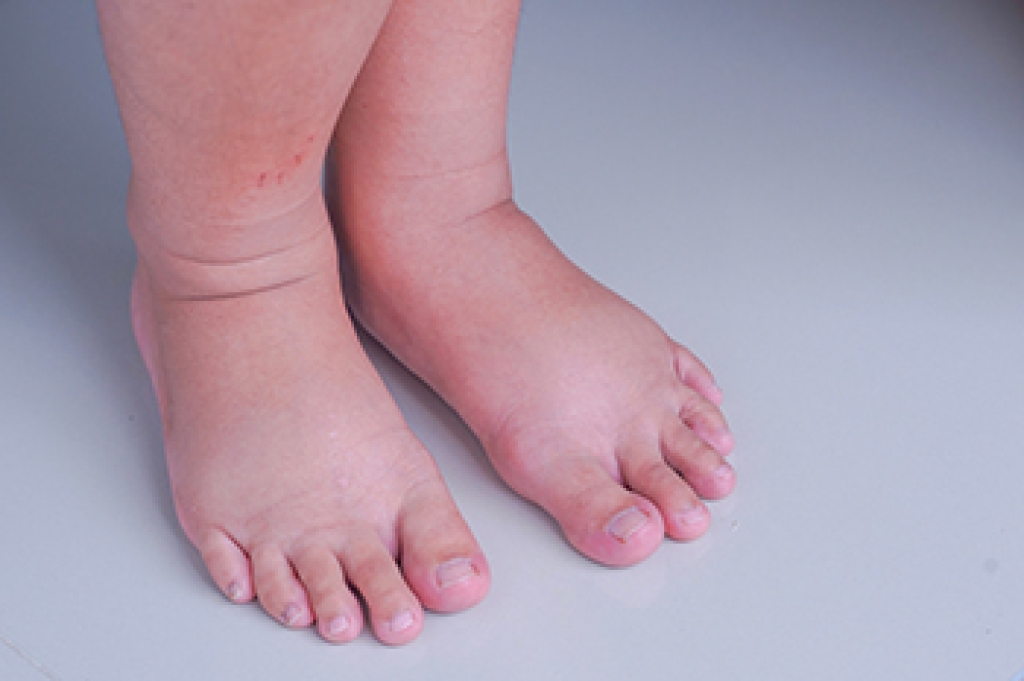
Lymphedema is a chronic condition characterized by swelling due to a compromised lymphatic system. This system is vital for the immune response and involves organs like the spleen and lymph nodes, as well as fluid-carrying vessels. Normally, it circulates a fluid called lymph, rich in white blood cells, throughout the body to combat infections. When blocked due to obesity, injuries, or genetic issues, the lymph gets trapped in tissues, causing swelling. The swelling usually occurs in the arms or legs and feet and can result in symptoms like heaviness, tight skin, limited joint mobility, skin thickening, and itching or burning sensations. Diagnosis involves multiple steps to rule out other causes of foot swelling, such as infections or blood clots. If you have swollen feet, it is suggested that you make an appointment with a podiatrist for a proper diagnosis and treatment.
Swollen feet can be a sign of an underlying condition. If you have any concerns, contact one of our podiatrists of Biebel & DeCotiis Podiatry Associates. Our doctors can provide the care you need to keep you pain-free and on your feet.
Swollen feet are a common ailment among pregnant women and people who stand or sit for extended periods. Aging may increase the possibility of swollen feet and patients who are obese often notice when their feet are swelling too. There may be medical reasons why swollen feet occur:
Swollen feet can also be caused by bone and tendon conditions, including fractures, arthritis, and tendinitis. Additionally, there may be skin and toenail conditions and an infection may cause the feet to swell. Patients who take medicine to treat high blood pressure may be prone to getting swollen feet.
Many patients elevate their feet to help relieve the swelling and this is generally a temporary remedy. When a podiatrist is consulted the reason behind the swelling can be uncovered and subsequently treated.
If you have any questions please feel free to contact one of our offices located in Holmdel and Middletown, NJ . We offer the newest diagnostic tools and technology to treat your foot and ankle needs.
Connect With Us
