Relief for Persistent Heel Pain in Daily Life

Heel pain from conditions such as plantar fasciitis or bone spurs is a common problem that can interfere with normal activities and overall comfort. These issues often develop from repetitive strain, poor footwear, high arches, or prolonged standing, leading to inflammation or bony growths in the heel area. Symptoms may include sharp pain with the first steps in the morning, aching discomfort after activity, or tenderness when pressing on the bottom or back of the heel. The affected area may appear slightly swollen or feel warm, and walking can become difficult when the pain increases. A podiatrist can begin by evaluating your foot structure, gait, and medical history to determine the exact cause of your discomfort. Treatment may include stretching programs, supportive custom orthotics, targeted footwear recommendations, anti-inflammatory therapies, or, in some cases, advanced modalities to reduce inflammation and promote healing. Early attention helps prevent worsening symptoms and supports long-term recovery. If you experience ongoing heel discomfort, it is suggested that you make an appointment with a podiatrist. 

Many people suffer from bouts of heel pain. For more information, contact one of our podiatrists of Biebel & DeCotiis Podiatry Associates. Our doctors can provide the care you need to keep you pain-free and on your feet.

Causes of Heel Pain

Heel pain is often associated with plantar fasciitis. The plantar fascia is a band of tissues that extends along the bottom of the foot. A rip or tear in this ligament can cause inflammation of the tissue.

Achilles tendonitis is another cause of heel pain. Inflammation of the Achilles tendon will cause pain from fractures and muscle tearing. Lack of flexibility is also another symptom.

Heel spurs are another cause of pain. When the tissues of the plantar fascia undergo a great deal of stress, it can lead to ligament separation from the heel bone, causing heel spurs.

Why Might Heel Pain Occur?

  • Wearing ill-fitting shoes                
  • Wearing non-supportive shoes
  • Weight change           
  • Excessive running

Treatments

Heel pain should be treated as soon as possible for immediate results. Keeping your feet in a stress-free environment will help. If you suffer from Achilles tendonitis or plantar fasciitis, applying ice will reduce the swelling. Stretching before an exercise like running will help the muscles. Using all these tips will help make heel pain a condition of the past.

If you have any questions, please feel free to contact one of our offices located in Holmdel and Middletown, NJ . We offer the newest diagnostic and treatment technologies for all your foot care needs.


Read more about Heel Pain

Plantar Warts Can Be Treated!

Plantar warts are small growths that develop on parts of the feet that bear weight. They're typically found on the bottom of the foot. Don't live with plantar warts, and call us today!

Custom Orthotics For Teen Athletes

Parents, support your athletic teens with Custom Orthotics! As they excel in sports and activities, their feet need optimal care. Custom Orthotics provide the right alignment, reducing fatigue and enhancing performance. They help absorb shocks, minimize injuries, and cater to their unique foot structure. Don't let foot discomfort sideline their passion. Invest in their comfort and athletic future by choosing Custom Orthotics from our office. Call today for an appointment.

Types of Heel Spurs

Heel spurs are bony growths that develop on the heel bone due to long-term strain on foot muscles and ligaments. They often form where the plantar fascia connects to the heel, causing discomfort and inflammation. Common causes include repetitive stress, wearing improper footwear, and prolonged standing. Risk factors such as flat feet, obesity, and age can increase the likelihood of developing them. There are two main types. Plantar heel spurs located under the heel and dorsal heel spurs form on the back near the Achilles tendon. Symptoms include sharp pain, tenderness, or stiffness. A podiatrist can diagnose heel spurs through an examination and imaging tests, and provide treatments that reduce pain and improve mobility. If you have heel pain, it is suggested that you schedule a visit with a podiatrist for an accurate diagnosis and treatment. 

Heel spurs can be incredibly painful and sometimes may make you unable to participate in physical activities. To get medical care for your heel spurs, contact one of our podiatrists from Biebel & DeCotiis Podiatry Associates. Our doctors will do everything possible to treat your condition.

Heels Spurs

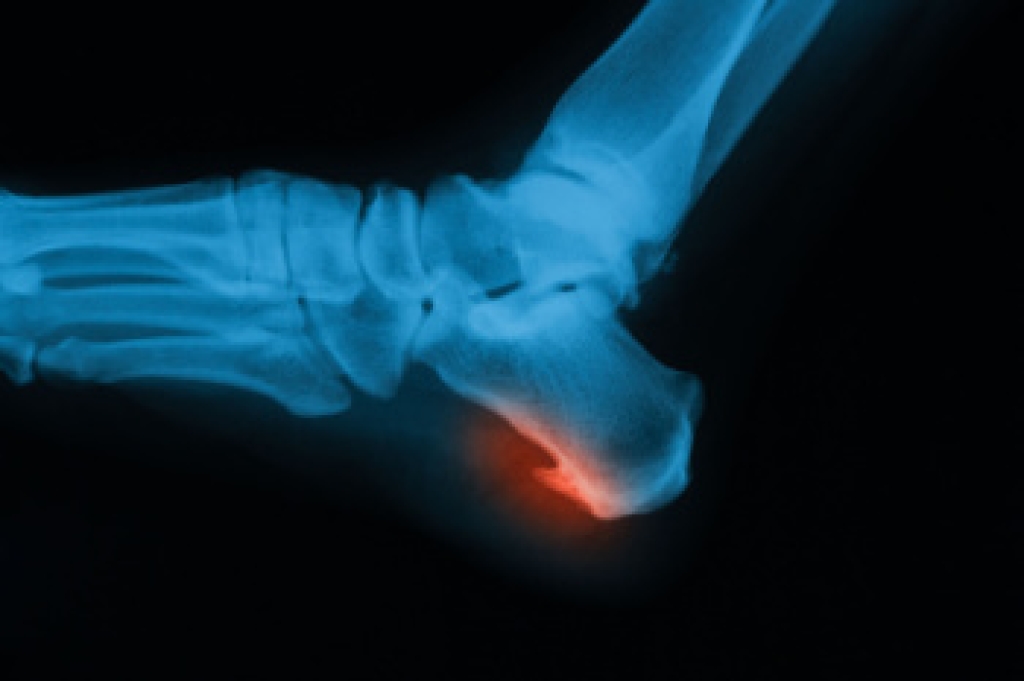
Heel spurs are formed by calcium deposits on the back of the foot where the heel is. This can also be caused by small fragments of bone breaking off one section of the foot, attaching onto the back of the foot. Heel spurs can also be bone growth on the back of the foot and may grow in the direction of the arch of the foot.

Older individuals usually suffer from heel spurs and pain sometimes intensifies with age. One of the main condition's spurs are related to is plantar fasciitis.

Pain

The pain associated with spurs is often because of weight placed on the feet. When someone is walking, their entire weight is concentrated on the feet. Bone spurs then have the tendency to affect other bones and tissues around the foot. As the pain continues, the feet will become tender and sensitive over time.

Treatments

There are many ways to treat heel spurs. If one is suffering from heel spurs in conjunction with pain, there are several methods for healing. Medication, surgery, and herbal care are some options.

If you have any questions, please feel free to contact one of our offices located in Holmdel and Middletown, NJ . We offer the newest diagnostic and treatment technologies for all your foot care needs.
Read more about How to Treat Heel Spurs

Pediatric Use of Custom Orthotics

Children's foot health can greatly benefit from wearing custom orthotics, which help restore the foot's natural arch and improve function and alignment. During their early years, children's muscles are still developing, and weak muscles may result in fatigue or growing pains. Orthotics can alleviate such issues by enhancing alignment and stability. Podiatrists typically advise against using orthotics for children under 3, emphasizing the importance of barefoot walking for muscle development. By age 3 to 4, children's walking patterns become more mature, making it an ideal time to consider orthotics. The decision to use orthotics is based on specific criteria, such as symptom reduction, gait improvement, and foot protection. While many children may only temporarily need orthotics, others with genetic predispositions might benefit from long-term use. It is essential to tailor orthotic use to each child's unique needs. If you would like to discuss the possibility of having custom-made orthotics for your child, it is suggested that you make an appointment with a podiatrist for an evaluation.

Our feet carry us through every part of life, absorbing the impact of thousands of steps each day. When they are not properly supported, the effects can extend far beyond the feet themselves. Custom orthotics provide the foundation the body needs by aligning, cushioning, and stabilizing each foot in its most natural position. They are carefully crafted to match the unique structure of each individual’s feet, allowing them to move efficiently and comfortably while reducing stress on the muscles, joints, and ligaments.

Proper foot support is essential for maintaining balance and preventing fatigue. Without it, the body compensates by shifting weight unevenly, which can lead to discomfort in the ankles, knees, hips, or lower back. Custom orthotics help restore this balance by redistributing pressure and promoting a more natural walking pattern. They not only ease existing pain but also protect against future strain or injury by supporting the arches and controlling excessive motion.

Unlike store-bought insoles, custom orthotics are created through detailed assessment and advanced technology to provide precise correction and comfort. They fit seamlessly into most shoes, making them ideal for daily wear, work, or sports.

If your feet feel tired, sore, or unsupported, it is recommended that you contact our office for more information, or to make an appointment.

If you have any questions please contact one of our offices located in Holmdel and Middletown, NJ

Read more about Sole Marketing Supporting Our Feet

Connect With Us