Sever’s Disease and How Early Care Supports Healing

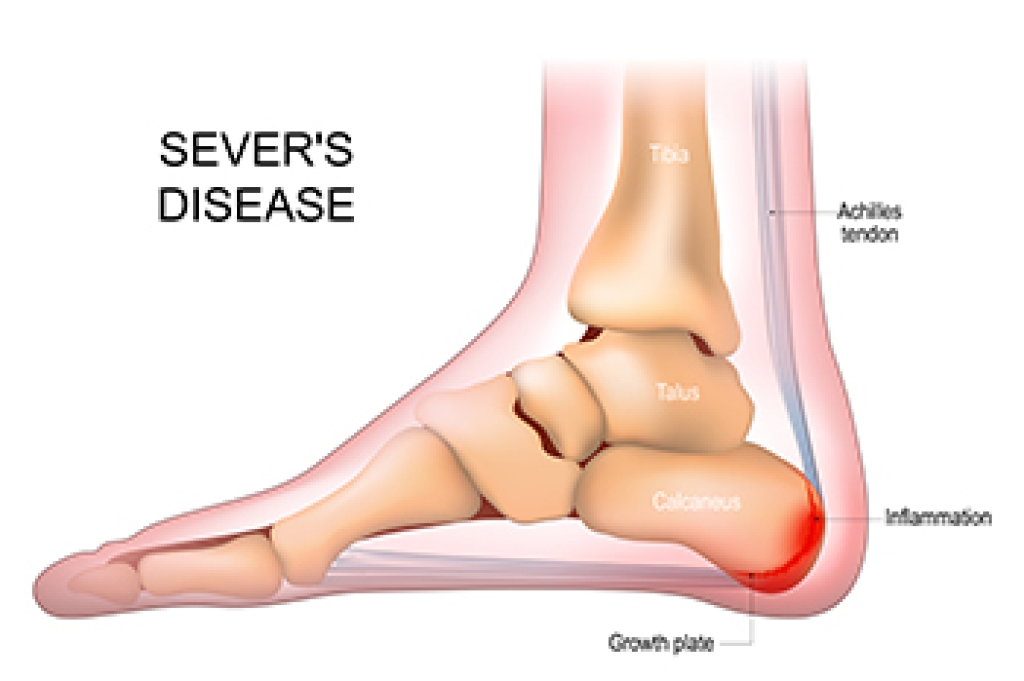
Sever’s disease is a common cause of heel pain in growing children and often appears during growth spurts when the heel bone develops faster than the surrounding soft tissues. Symptoms may include stiffness, tenderness at the back of the heel, limping after activity, and swelling that can make the heel look slightly puffy or irritated. It may feel like a deep ache or sharp discomfort during running and jumping, and the child may avoid weight bearing on the affected side. Causes often relate to repetitive stress from sports, tight calf muscles, or biomechanical issues such as flat feet or high arches. A podiatrist can begin by assessing the child’s gait, examining the heel, and ruling out other conditions. Early diagnosis leads to effective treatment options, such as activity modification, heel cushions, stretching programs, and custom orthotics to reduce strain. Because timely care supports proper healing and comfort, it is suggested that you schedule an appointment with a podiatrist for effective relief tips.

Sever's disease often occurs in children and teens. If your child is experiencing foot or ankle pain, see one of our podiatrists from Biebel & DeCotiis Podiatry Associates. Our doctors can treat your child’s foot and ankle needs.

Sever’s Disease

Sever’s disease is also known as calcaneal apophysitis, which is a medical condition that causes heel pain I none or both feet. The disease is known to affect children between the ages of 8 and 14.

Sever’s disease occurs when part of the child’s heel known as the growth plate (calcaneal epiphysis) is attached to the Achilles tendon. This area can suffer injury when the muscles and tendons of the growing foot do not keep pace with bone growth. Therefore, the constant pain which one experiences at the back of the heel will make the child unable to put any weight on the heel. The child is then forced to walk on their toes.

Symptoms

Acute pain – Pain associated with Sever’s disease is usually felt in the heel when the child engages in physical activity such as walking, jumping and or running.

Highly active – Children who are very active are among the most susceptible in experiencing Sever’s disease, because of the stress and tension placed on their feet.

If you have any questions, please feel free to contact one of our offices located in Holmdel and Middletown, NJ . We offer the newest diagnostic and treatment technologies for all your foot care needs.

Read more about Sever's Disease

Are You Suffering From Ingrown Toenails?

If left untreated, an ingrown toenail can lead to more serious concerns, such as an infection. Knowing proper nail care can help in the prevention of an ingrown toenail. Give us a call, and get treated!

The Connection Between Cracked Heels and Diabetes

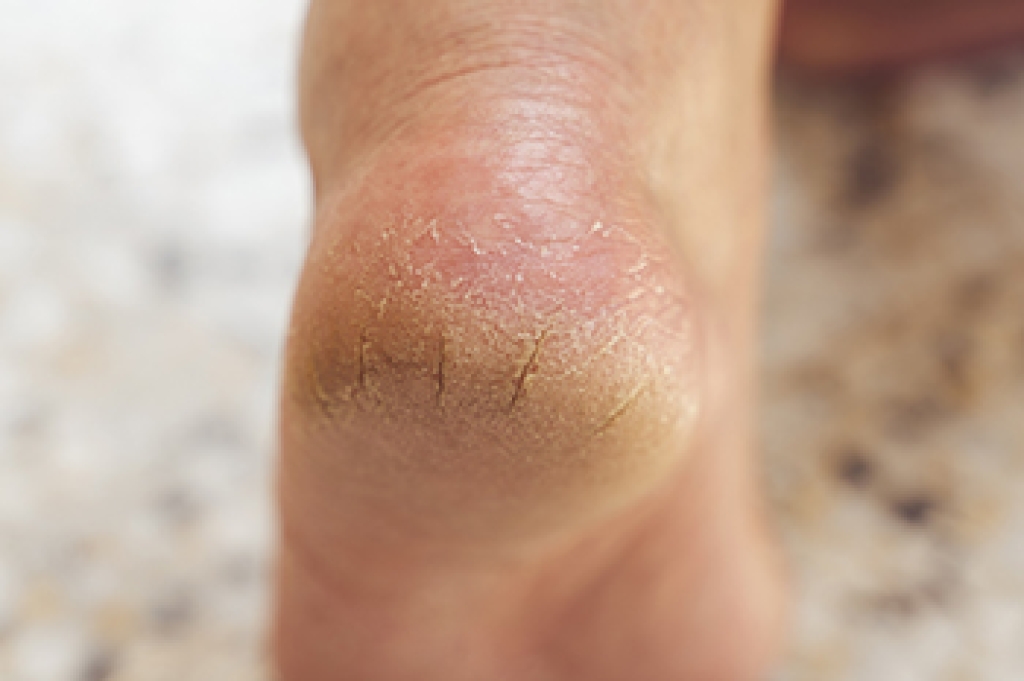
Cracked heels, a common issue for diabetics, are often caused by dry skin, reduced circulation, and nerve changes that decrease the ability to feel early symptoms. The heels may look thickened, flaky, or split with visible fissures, and they may feel sore, tight, or tender when standing or walking. In some cases, the cracks can deepen and increase the risk of infection, especially when blood flow is compromised. Symptoms include redness, swelling, and difficulty bearing weight, while causes often involve pressure from standing, open backed footwear, and reduced skin moisture. A podiatrist can assist by assessing sensation, circulation, and skin integrity, followed by a clear diagnosis and a personalized care plan. Treatment options include regular debridement of thick skin, protective dressings, footwear advice, and orthotic support to reduce pressure on vulnerable areas. If you have diabetes and are dealing with painful cracked heels, it is suggested that you make an appointment with a podiatrist.

Diabetic foot care is important in preventing foot ailments such as ulcers. If you are suffering from diabetes or have any other concerns about your feet, contact one of our podiatrists from Biebel & DeCotiis Podiatry Associates. Our doctors can provide the care you need to keep you pain-free and on your feet.

Diabetic Foot Care

Diabetes affects millions of people every year. The condition can damage blood vessels in many parts of the body, especially the feet. Because of this, taking care of your feet is essential if you have diabetes, and having a podiatrist help monitor your foot health is highly recommended.

The Importance of Caring for Your Feet

  • Routinely inspect your feet for bruises or sores.
  • Wear socks that fit your feet comfortably.
  • Wear comfortable shoes that provide adequate support.

Patients with diabetes should have their doctor monitor their blood levels, as blood sugar levels play such a huge role in diabetic care. Monitoring these levels on a regular basis is highly advised.

It is always best to inform your healthcare professional of any concerns you may have regarding your feet, especially for diabetic patients. Early treatment and routine foot examinations are keys to maintaining proper health, especially because severe complications can arise if proper treatment is not applied.

If you have any questions, please feel free to contact one of our offices located in Holmdel and Middletown, NJ . We offer the newest diagnostic and treatment technologies for all your foot care needs.

Read more about How to Care for Diabetic Foot

Bypass Bunion Surgery with Custom Orthotics

Considering bunion surgery? Think again. Custom Orthotics offer a non-surgical approach to reduce pain and restore foot function. Customized to your foot's structure, they realign and redistribute pressure, alleviating bunion discomfort. Experience the freedom of movement without the downtime and risks of surgery. Contact our office to make an appointment.

Signs and Treatment of a Broken Heel Bone

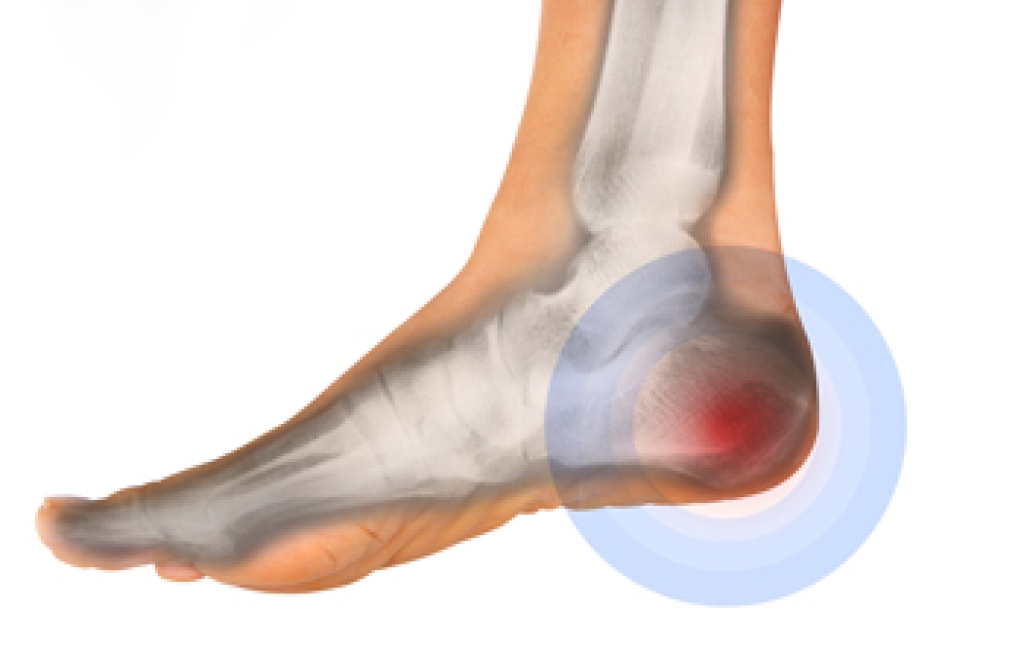
Signs of a broken heel bone often develop quickly after an injury and can make walking very difficult. The heel bone, known medically as the calcaneus, supports the back of the foot and works to help the foot roll inward and outward during movement. A break in the heel bone often causes sudden swelling, severe heel pain, and bruising that spreads through the back of the foot. Many people cannot put weight on the injured foot at all. The pain usually worsens when trying to stand, walk, or even move the ankle. In some heel bone fractures, the skin stays intact, but when the skin is broken, surgery is needed right away to reduce the risk of serious complications. A podiatrist can evaluate the injury, order imaging, and guide proper treatment to help protect long-term foot function. If you believe you have broken your heel bone, it is suggested that you make an immediate appointment with a podiatrist for a diagnosis and treatment.

A broken foot requires immediate medical attention and treatment. If you need your feet checked, contact one of our podiatrists from Biebel & DeCotiis Podiatry Associates. Our doctors can provide the care you need to keep you pain-free and on your feet.

Broken Foot Causes, Symptoms, and Treatment

A broken foot is caused by one of the bones in the foot typically breaking when bended, crushed, or stretched beyond its natural capabilities. Usually the location of the fracture indicates how the break occurred, whether it was through an object, fall, or any other type of injury. 

Common Symptoms of Broken Feet:

  • Bruising
  • Pain
  • Redness
  • Swelling
  • Blue in color
  • Numbness
  • Cold
  • Misshapen
  • Cuts
  • Deformities

Those that suspect they have a broken foot shoot seek urgent medical attention where a medical professional could diagnose the severity.

Treatment for broken bones varies depending on the cause, severity and location. Some will require the use of splints, casts or crutches while others could even involve surgery to repair the broken bones. Personal care includes the use of ice and keeping the foot stabilized and elevated.

If you have any questions, please feel free to contact one of our offices located in Holmdel and Middletown, NJ . We offer the newest diagnostic and treatment technologies for all your foot care needs.
Read more about Causes, Symptoms, and Treatment for a Broken Foot

Connect With Us