Healing a Broken Ankle Starts With Walking Sooner

A broken ankle often brings thoughts of rest and staying off your feet completely. However, getting back to walking as soon as your podiatrist says it is safe can actually help your ankle heal better. Walking helps improve blood flow to the injury, reduces swelling, and encourages the bones to heal in the correct position. Avoiding movement for too long can cause muscles to weaken and joints to stiffen, which can make recovery take longer. Your podiatrist may recommend starting with a walking boot to protect the ankle as you slowly begin to bear weight. Controlled movement helps prevent complications like joint stiffness and blood clots. Gentle walking also helps restore strength and balance, especially when combined with targeted exercises designed to support your recovery. If you have broken your ankle, it is suggested you schedule a visit with a podiatrist to create a safe and effective healing plan.

Broken ankles need immediate treatment. If you are seeking treatment, contact one of our podiatrists from Biebel & DeCotiis Podiatry Associates. Our doctors can provide the care you need to keep you pain-free and on your feet. 

Broken Ankles
A broken ankle is experienced when a person fractures their tibia or fibula in the lower leg and ankle area. Both of these bones are attached at the bottom of the leg and combine to form what we know to be our ankle.

When a physician is referring to a break of the ankle, he or she is usually referring to a break in the area where the tibia and fibula are joined to create our ankle joint. Ankles are more prone to fractures because the ankle is an area that suffers a lot of pressure and stress. There are some obvious signs when a person experiences a fractured ankle, and the following symptoms may be present.

Symptoms of a Fractured Ankle

  • Excessive pain when the area is touched or when any pressure is placed on the ankle
  • Swelling around the area
  • Bruising of the area
  • Area appears to be deformed

If you suspect an ankle fracture, it is recommended to seek treatment as soon as possible. The sooner you have your podiatrist diagnose the fracture, the quicker you’ll be on the way towards recovery.

If you have any questions, please feel free to contact one of our offices located in Holmdel and Middletown, NJ . We offer the newest diagnostic and treatment technologies for all your foot care needs.
Read more about All About Broken Ankles

Beauty Meets Foot Health

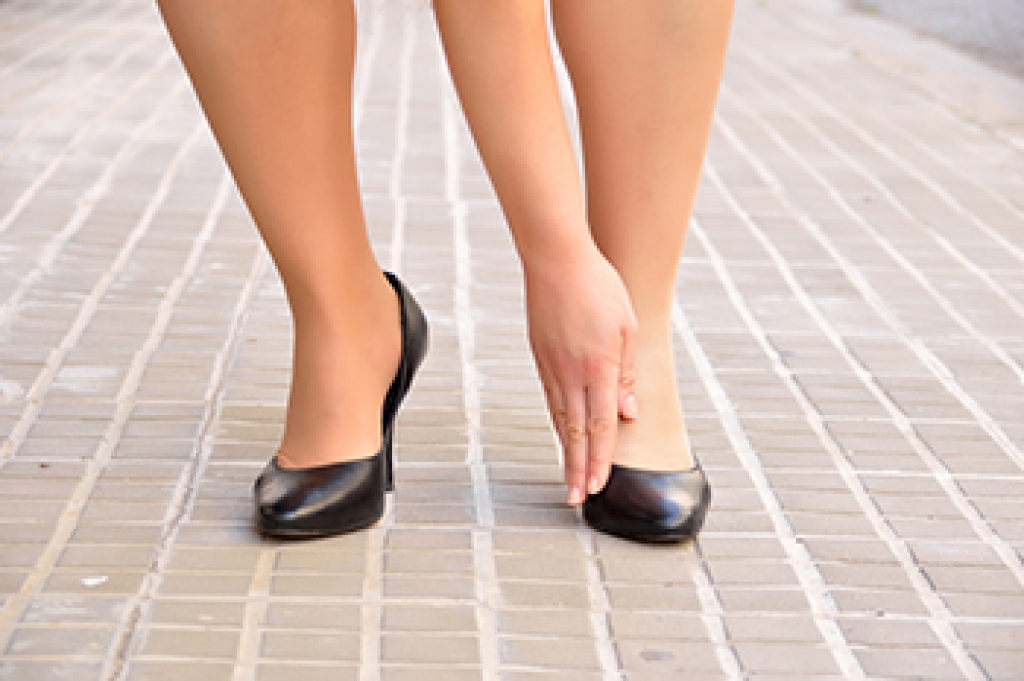
Many women love high heels for the way they enhance posture, style, and confidence. However, frequent wear can take a serious toll on foot health. High heels shift weight forward, placing excessive pressure on the toes and the balls of the feet. This can lead to bunions, hammertoes, nerve pain, and even long-term joint damage. Wearing heels regularly may also affect balance and cause strain in the ankles and lower back. A podiatrist can identify early signs of damage, provide relief, and suggest supportive alternatives or custom inserts. If you enjoy wearing high heels but notice foot pain or discomfort, it is suggested that you consult a podiatrist who can treat various foot conditions, and guide you on types of heels that might be easier on your feet.

High heels have a history of causing foot and ankle problems. If you have any concerns about your feet or ankles, contact one of our podiatrists from Biebel & DeCotiis Podiatry Associates. Our doctors can provide the care you need to keep you pain-free and on your feet.

Effects of High Heels on the Feet

High heels are popular shoes among women because of their many styles and societal appeal.  Despite this, high heels can still cause many health problems if worn too frequently.

Which Parts of My Body Will Be Affected by High Heels?

  • Ankle Joints
  • Achilles Tendon – May shorten and stiffen with prolonged wear
  • Balls of the Feet
  • Knees – Heels cause the knees to bend constantly, creating stress on them
  • Back – They decrease the spine’s ability to absorb shock, which may lead to back pain.  The vertebrae of the lower back may compress.

What Kinds of Foot Problems Can Develop from Wearing High Heels?

  • Corns
  • Calluses
  • Hammertoe
  • Bunions
  • Morton’s Neuroma
  • Plantar Fasciitis

How Can I Still Wear High Heels and Maintain Foot Health?

If you want to wear high heeled shoes, make sure that you are not wearing them every day, as this will help prevent long term physical problems.  Try wearing thicker heels as opposed to stilettos to distribute weight more evenly across the feet.  Always make sure you are wearing the proper shoes for the right occasion, such as sneakers for exercising.  If you walk to work, try carrying your heels with you and changing into them once you arrive at work.  Adding inserts to your heels can help cushion your feet and absorb shock. Full foot inserts or metatarsal pads are available. 

If you have any questions, please feel free to contact one of our offices located in Holmdel and Middletown, NJ . We offer the newest diagnostic and treatment technologies for all your foot care needs.
Read more about Why High Heels Are Not Ideal for Healthy Feet

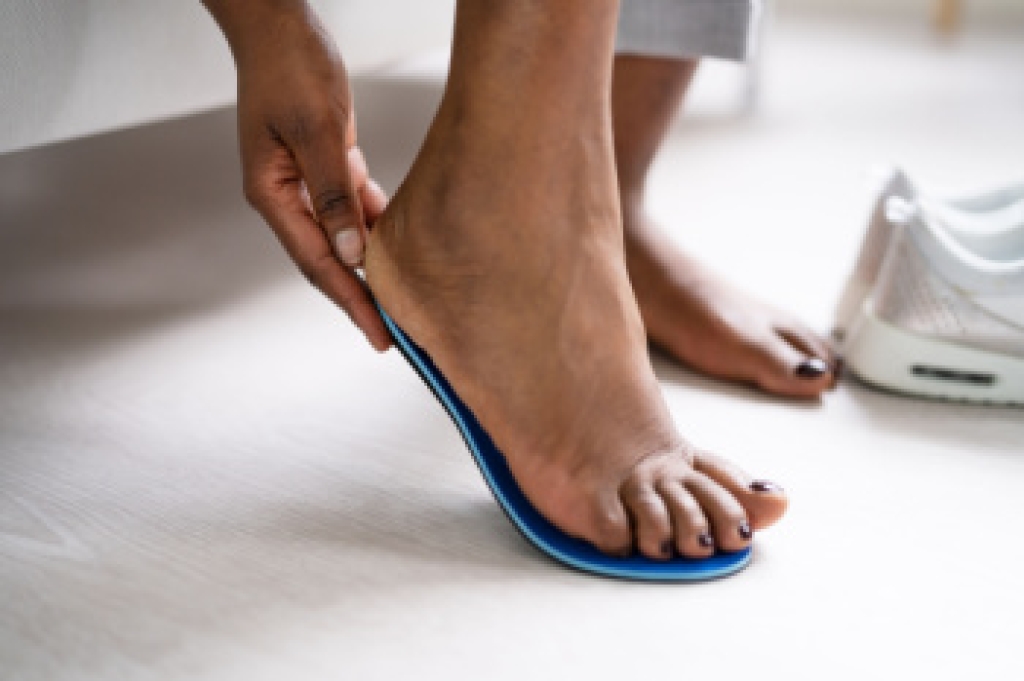
Custom Orthotics For Foot and Heel Pain

Step into relief and reclaim your mobility! Foot and heel pain can be a thing of the past with the right Custom Orthotics. Customized to your unique foot structure, they provide the support and alignment needed to alleviate discomfort. Whether you're walking, running, or simply standing, Custom Orthotics ensure every step is cushioned and pain-free. Don't let foot ailments dictate your day. With Custom Orthotics, embrace a world of comfort and freedom. Call today to schedule an appointment.

Ankle Injuries From Ballet Dancing

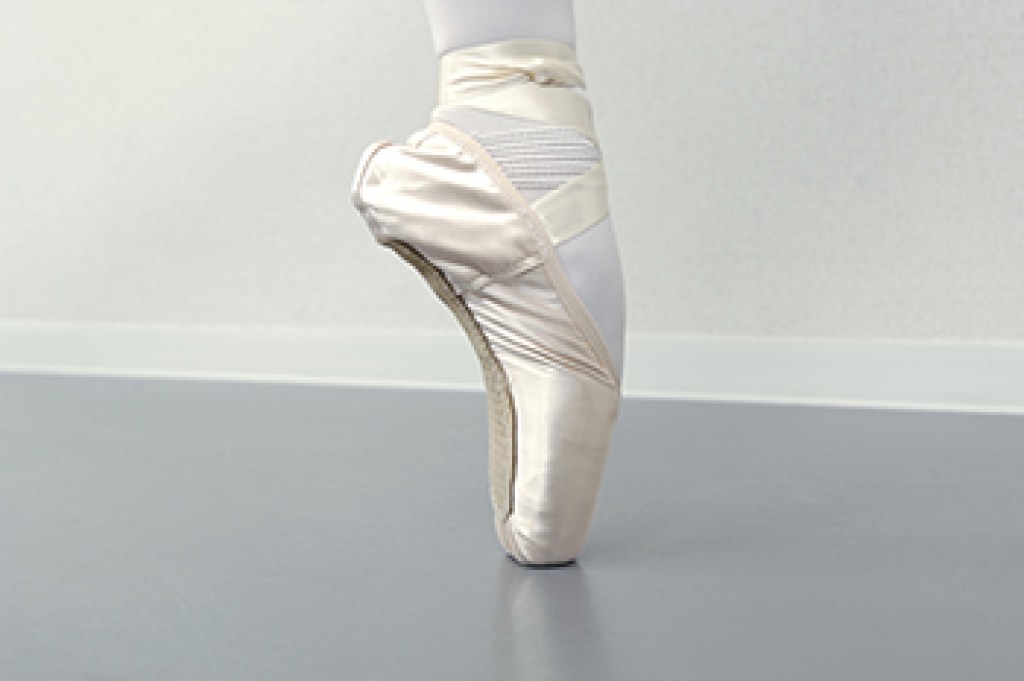
Ankle injuries are particularly common among dancers, especially those who perform ballet. Movements such as dancing en pointe place the ankle in a highly pointed position, which can strain the ligaments and muscles that support the joint. One of the most frequent ballet injuries is a lateral ankle sprain, which affects the outer part of the ankle. While many sprains heal with time, some leave behind lasting issues like instability or repeated injuries. Ballet dancers rely heavily on their ankles for balance, precision, and strength, making them more vulnerable to ongoing problems if a sprain is not fully resolved. The muscles along the outside of the ankle, known as the peroneals, work hard to stabilize the foot during dance. When these muscles are overused, especially after an ankle injury, tendinitis can develop, causing pain and weakness. A podiatrist can help diagnose these issues and recommend treatment to improve stability and reduce discomfort. If you have injured an ankle, it is suggested that you schedule an appointment with a podiatrist for a diagnosis and appropriate treatment.

Ankle pain can be caused by a number of problems and may be potentially serious. If you have ankle pain, consult with one of our podiatrists from Biebel & DeCotiis Podiatry Associates. Our doctors will assess your condition and provide you with quality foot and ankle treatment.

Ankle pain is any condition that causes pain in the ankle. Due to the fact that the ankle consists of tendons, muscles, bones, and ligaments, ankle pain can come from a number of different conditions.

Causes

The most common causes of ankle pain include:

  • Types of arthritis (rheumatoid, osteoarthritis, and gout)
  • Ankle sprains
  • Broken ankles
  • Achilles tendonitis
  • Achilles tendon rupture
  • Stress fractures
  • Bursitis
  • Tarsal tunnel syndrome
  • Plantar fasciitis

Symptoms

Symptoms of ankle injury vary based upon the condition. Pain may include general pain and discomfort, swelling, aching, redness, bruising, burning or stabbing sensations, and/or loss of sensation.

Diagnosis

Due to the wide variety of potential causes of ankle pain, podiatrists will utilize a number of different methods to properly diagnose ankle pain. This can include asking for personal and family medical histories and of any recent injuries. Further diagnosis may include sensation tests, a physical examination, and potentially x-rays or other imaging tests.

Treatment

Just as the range of causes varies widely, so do treatments. Some more common treatments are rest, ice packs, keeping pressure off the foot, orthotics and braces, medication for inflammation and pain, and surgery.

If you have any questions please feel free to contact one of our offices located in Holmdel and Middletown, NJ . We offer the newest diagnostic tools and technology to treat your foot and ankle needs.

Read more about Ankle Pain

Reducing Plantar Pressure From Bunions With Custom Orthotics

 A bunion, commonly known as hallux valgus, is a deformity where the tip of the big toe angles toward the other toes, often causing pain and pressure across the forefoot. This misalignment increases plantar pressure and can lead to discomfort when walking. Custom foot orthotics help by redistributing weight, supporting the arch, and relieving pressure from the bunion area. They improve foot alignment and help reduce symptoms linked to bunions. A podiatrist can assess your foot structure, provide a thorough diagnosis, and design orthotics tailored to your needs. If bunion pain is affecting your daily life, it is suggested that you consult a podiatrist to learn how custom orthotics can bring relief and help you move with greater comfort.

Custom orthotics are specialized shoe inserts created to support and align the feet according to each person’s unique structure and walking pattern. They are an effective way to relieve foot discomfort caused by conditions such as flat feet, high arches, plantar fasciitis, bunions, and heel pain. When the natural alignment of the foot is off balance, it can lead to pressure points, strain, and pain that affect how a person stands, walks, and moves. Orthotics work by redistributing weight evenly and supporting the arch to reduce stress on the muscles, tendons, and joints of the feet and lower legs.

Foot discomfort can develop for many reasons, including wearing improper footwear, long hours of standing, repetitive motion, or underlying structural problems. Over time, this discomfort can extend beyond the feet, contributing to knee, hip, or lower back pain. Custom orthotics help correct these issues by improving alignment and promoting more efficient movement. They are made using precise measurements and imaging to ensure the best fit for each patient, providing targeted support and cushioning where it is needed most.

Unlike generic insoles, custom orthotics are durable, medically designed, and tailored to your specific needs. Whether you are managing chronic pain, recovering from an injury, or simply seeking better comfort and stability, orthotics can make a noticeable difference in how your feet feel throughout the day.

If you are experiencing persistent foot discomfort or fatigue, it may be time to have your feet evaluated by a podiatrist. Call our office today for more information or to schedule an appointment.

If you have any questions, please feel free to contact one of our offices located in Holmdel and Middletown, NJ

Read more about Investing in Custom Orthotics Means Investing in Foot Health

Connect With Us