Consideration of Custom Orthotics

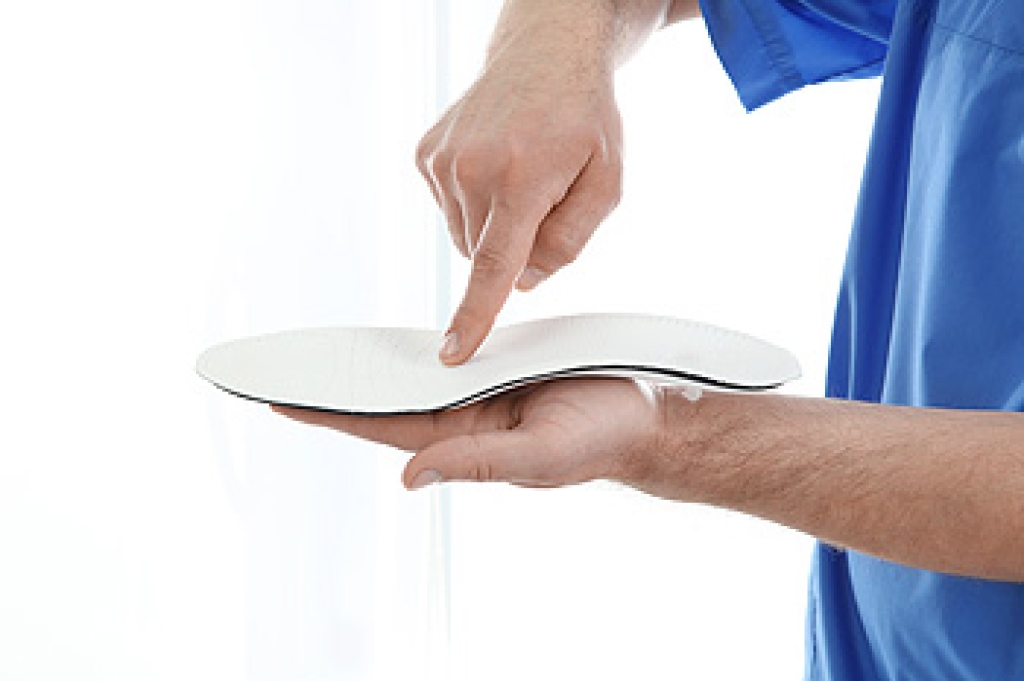
Custom-made orthotics play a vital role in addressing foot and lower limb disorders. These orthotic devices are categorized into two types, which are prefabricated and custom-made. Prefabricated orthotics have a generic contour and can be obtained over the counter, while custom-made ones are crafted based on an individual's foot scan or cast. Custom orthotics are highly personalized, making them better suited for complex foot problems and unique foot types. The process begins with a comprehensive assessment by a podiatrist, including a foot examination and gait analysis. Additional imaging, such as X-rays or ultrasounds, may be required to assess underlying pathologies. Factors like symptoms, activity levels, foot shape, age, and desired footwear are considered when designing custom orthotics. However, the effectiveness of orthotics can vary, and adjustments may be necessary for optimal comfort and correction. Custom-made orthotics offer unique benefits, as they are fitted to an individual's feet and can address various foot issues, including flat feet and sore feet. In considering this personalized solution to help with your foot problems, it is suggested that you make an appointment with a podiatrist for a consultation and assessment.

Custom orthotics can make a remarkable difference in daily comfort and mobility by supporting the feet in their most natural and balanced position. Because the feet form the foundation for the entire body, any imbalance can affect not only how a person walks, but also how the knees, hips, and spine align. Over time, this can lead to fatigue, pain, or reduced movement. Custom orthotics are designed to restore stability and promote proper alignment, which can transform the way a person feels and functions throughout the day.

People who wear custom orthotics often experience improved posture, less joint strain, and greater endurance during work, exercise, and leisure activities. The support they provide helps relieve chronic discomfort from conditions such as plantar fasciitis, flat feet, and heel pain, while also reducing the risk of future injuries. For those who stand for long hours or engage in sports, orthotics can make movement smoother and more efficient, allowing the body to perform at its best without unnecessary stress.

Each pair of custom orthotics is created after a detailed evaluation of foot structure, gait, and pressure distribution. By addressing each person’s unique needs, they offer comfort and confidence with every step.

If you are experiencing ongoing foot discomfort or fatigue, it is suggested that you contact our office for more information or to make an appointment.

If you have any questions, please feel free to contact one of our offices located in Holmdel and Middletown, NJ . 

Read more about Sole Marketing and Heel Pain

Causes and Recovery of a Broken Ankle

A broken ankle occurs when one or more of the bones in the ankle joint fracture. This often affects the surrounding muscles, ligaments, tendons, and nerves that support normal movement. This injury commonly results from falls, sports accidents, twisting motions, or direct impact to the ankle. Damage to nearby soft tissues may also contribute to pain and instability during recovery. Symptoms include severe pain, swelling, bruising, tenderness, and difficulty bearing weight on the affected foot. Risk factors include high-impact activities, weak bones, poor balance, and previous ankle injuries. Recovery time for many ankle fractures is often about four to six weeks, depending on severity and treatment. There may be instruction about driving, manual work, and participating in contact sports . A podiatrist can evaluate the injury and guide appropriate recovery. If you have fractured your ankle, it is suggested that you consult a podiatrist who can offer effective treatment solutions.

Broken ankles need immediate treatment. If you are seeking treatment, contact one of our podiatrists from Biebel & DeCotiis Podiatry Associates. Our doctors can provide the care you need to keep you pain-free and on your feet. 

Broken Ankles
A broken ankle is experienced when a person fractures their tibia or fibula in the lower leg and ankle area. Both of these bones are attached at the bottom of the leg and combine to form what we know to be our ankle.

When a physician is referring to a break of the ankle, he or she is usually referring to a break in the area where the tibia and fibula are joined to create our ankle joint. Ankles are more prone to fractures because the ankle is an area that suffers a lot of pressure and stress. There are some obvious signs when a person experiences a fractured ankle, and the following symptoms may be present.

Symptoms of a Fractured Ankle

  • Excessive pain when the area is touched or when any pressure is placed on the ankle
  • Swelling around the area
  • Bruising of the area
  • Area appears to be deformed

If you suspect an ankle fracture, it is recommended to seek treatment as soon as possible. The sooner you have your podiatrist diagnose the fracture, the quicker you’ll be on the way towards recovery.

If you have any questions, please feel free to contact one of our offices located in Holmdel and Middletown, NJ . We offer the newest diagnostic and treatment technologies for all your foot care needs.

Read more about Broken Ankle Causes, Differences, Symptoms and Treatments

Why Live with Pain and Numbness in Your Feet?

Suffering from this type of pain? You may have the foot condition known as Morton's neuroma. Morton's neuroma may develop as a result of ill-fitting footwear and existing foot deformities. We can help.

Connect With Us