Early Diagnosis and Treatment of Rheumatoid Arthritis

Rheumatoid arthritis, also known as RA, is a prevalent inflammatory condition, affecting up to one percent of the global population. It can develop at any age but is most common in individuals that are between 30 and 50 years old, with significant disability implications. Genetic factors play a substantial role, with approximately half the risk attributable to genetic predisposition, including specific human leukocyte antigen associations. Smoking is a major environmental trigger. RA primarily affects joints, leading to synovial inflammation, cartilage damage, and bone erosion. Symptoms include joint pain, stiffness, and swelling, often affecting the toes of the feet. Morning stiffness lasting over an hour is a hallmark sign. If you have discomfort in your feet from RA, it is suggested that you schedule an appointment with a podiatrist, as prompt diagnosis is essential for early intervention and management to mitigate joint damage and preserve joint function.

Because RA affects more than just your joints, including the joints in your feet and ankles, it is important to seek early diagnosis from your podiatrist if you feel like the pain in your feet might be caused by RA. For more information, contact one of our podiatrists of Biebel & DeCotiis Podiatry Associates. Our doctors will assist you with all of your podiatric concerns.

What Is Rheumatoid Arthritis?

Rheumatoid Arthritis (RA) is an autoimmune disorder in which the body’s own immune system attacks the membranes surrounding the joints. Inflammation of the lining and eventually the destruction of the joint’s cartilage and bone occur, causing severe pain and immobility.

Rheumatoid Arthritis of the Feet

Although RA usually attacks multiple bones and joints throughout the entire body, almost 90 percent of cases result in pain in the foot or ankle area.

Symptoms

  • Swelling and pain in the feet
  • Stiffness in the feet
  • Pain on the ball or sole of feet
  • Joint shift and deformation

Diagnosis

Quick diagnosis of RA in the feet is important so that the podiatrist can treat the area effectively. Your doctor will ask you about your medical history, occupation, and lifestyle to determine the origin of the condition. Rheumatoid Factor tests help to determine if someone is affected by the disease.

If you have any questions, please feel free to contact one of our offices located in Holmdel and Middletown, NJ . We offer the newest diagnostic and treatment technologies for all your foot care needs.

Read more about Rheumatoid Arthritis in the Feet

Custom Orthotics For Seniors

Age gracefully and move freely with Custom Orthotics. For seniors seeking to maintain their independence, Custom Orthotics offer the stability and comfort essential for daily activities. Custom-tailored to your feet, they provide support, reduce pain, and enhance mobility, ensuring you're always on sure footing. Don't let age-related foot concerns hold you back. With Custom Orthotics, embrace every golden moment with confidence. Call today to schedule an appointment.

Custom Orthotics for Special Needs Patients

Orthotics play a vital role in addressing the unique requirements of special needs patients, offering tailored solutions for various musculoskeletal issues. These individuals often require specialized orthotic devices to enhance their mobility and overall quality of life. Custom orthotics are designed to accommodate or correct irregular walking patterns, providing crucial support and stability. For special needs patients, orthotics can help manage conditions such as flat feet, high arches, and gait abnormalities. These devices are customized to fit the individual's unique foot shape and condition, ensuring optimal comfort and functionality. Whether it is children with developmental challenges or adults with neurological disorders, orthotics can significantly improve their mobility and reduce discomfort. Orthotic devices for special needs patients are prescribed by podiatrists after a thorough evaluation and diagnosis, ensuring that they cater to the specific challenges of each patient. If you have special needs or you are taking care of someone with special needs and want more information on how custom orthotics might improve comfort, it is suggested that you make an appointment with a podiatrist to discuss your unique situation.

Experience a transformative solution to heel pain and foot pain through the personalized benefits of custom orthotics and shoe inserts. If you’re grappling with the persistent agony of plantar fasciitis, these customized inserts are designed to alleviate the strain on the plantar fascia, providing targeted relief. Engineered to adapt to your unique foot anatomy, custom orthotics tackle not only plantar fasciitis but also general foot and heel pain, offering unparalleled support and comfort. Don’t let every step be a reminder of discomfort; step into a world of tailored well-being. Say farewell to the limitations imposed by heel pain and embrace the freedom of pain-free mobility. Invest in your foot health and redefine your daily stride with the transformative power of custom orthotics and shoe inserts, ensuring each step is a step towards lasting comfort. 

If you have any questions please contact one of our offices located in Holmdel and Middletown, NJ . We offer the newest diagnostic and treatment technologies for all your foot and ankle needs.
Read more about Investing in Custom Orthotics Means Investing in Foot Health

Strategies for Healing Diabetic Foot Ulcers

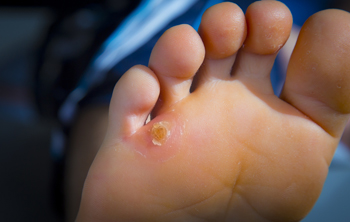
Diabetic foot ulcers, a common complication of diabetes, require wound care management to prevent infection and promote healing. Begin by keeping the ulcer clean and dry, washing it gently with mild soap and water and patting it dry with a soft towel. Avoid using harsh chemicals or antiseptics, as they can further irritate the skin. Protect the ulcer with a sterile dressing to prevent contamination and promote a moist wound healing environment. Regularly monitor the ulcer for any signs of infection, such as increased redness, swelling, or drainage, and seek medical attention promptly if these symptoms occur. Offloading pressure from the ulcer is critical for healing, and consider using special footwear or orthotic devices to relieve pressure and prevent further damage. Follow your podiatrist’s recommendations for managing blood sugar levels, as elevated glucose levels can impair wound healing. If you have diabetes, and have developed a foot ulcer, it is strongly suggested that you are under the care of a podiatrist who can treat this type of wound, in addition to helping you to manage your diabetes.

Wound care is an important part in dealing with diabetes. If you have diabetes and a foot wound or would like more information about wound care for diabetics, consult with one of our podiatrists from Biebel & DeCotiis Podiatry Associates. Our doctors will assess your condition and provide you with quality foot and ankle treatment.

What Is Wound Care?

Wound care is the practice of taking proper care of a wound. This can range from the smallest to the largest of wounds. While everyone can benefit from proper wound care, it is much more important for diabetics. Diabetics often suffer from poor blood circulation which causes wounds to heal much slower than they would in a non-diabetic. 

What Is the Importance of Wound Care?

While it may not seem apparent with small ulcers on the foot, for diabetics, any size ulcer can become infected. Diabetics often also suffer from neuropathy, or nerve loss. This means they might not even feel when they have an ulcer on their foot. If the wound becomes severely infected, amputation may be necessary. Therefore, it is of the upmost importance to properly care for any and all foot wounds.

How to Care for Wounds

The best way to care for foot wounds is to prevent them. For diabetics, this means daily inspections of the feet for any signs of abnormalities or ulcers. It is also recommended to see a podiatrist several times a year for a foot inspection. If you do have an ulcer, run the wound under water to clear dirt from the wound; then apply antibiotic ointment to the wound and cover with a bandage. Bandages should be changed daily and keeping pressure off the wound is smart. It is advised to see a podiatrist, who can keep an eye on it.

If you have any questions please contact one of our offices located in Holmdel and Middletown, NJ . We offer the newest diagnostic and treatment technologies for all your foot and ankle needs.
Read more about Wound Care

Origins and Symptoms Revealed for Athlete’s Foot

Athlete's foot, a common fungal infection, traces its origin to warm and damp environments where fungi thrive. The condition flourishes in places such as communal showers, swimming pools, and locker rooms, creating an opportune breeding ground for the fungi responsible for athlete's foot. The culprits behind this ailment are dermatophyte fungi, particularly trichophyton species, which thrive on dead skin cells and multiply in moist conditions. Symptoms of athlete's foot manifest as redness, itching, and a burning sensation, often concentrated between the toes. As the infection progresses, the skin may peel, crack, or develop blisters. The discomfort may extend beyond the toes, affecting the soles of the feet. Recognizing these symptoms is vital for prompt intervention and effective management. If you have developed athlete’s foot, it is suggested that you consult a podiatrist who can offer you effective treatment and prevention techniques.

Athlete’s Foot

Athlete’s foot is often an uncomfortable condition to experience. Thankfully, podiatrists specialize in treating athlete’s foot and offer the best treatment options. If you have any questions about athlete’s foot, consult with one of our podiatrists from Biebel & DeCotiis Podiatry Associates. Our doctors will assess your condition and provide you with quality treatment.

What Is Athlete’s Foot?

Tinea pedis, more commonly known as athlete’s foot, is a non-serious and common fungal infection of the foot. Athlete’s foot is contagious and can be contracted by touching someone who has it or infected surfaces. The most common places contaminated by it are public showers, locker rooms, and swimming pools. Once contracted, it grows on feet that are left inside moist, dark, and warm shoes and socks.

Prevention

The most effective ways to prevent athlete’s foot include:

  • Thoroughly washing and drying feet
  • Avoid going barefoot in locker rooms and public showers
  • Using shower shoes in public showers
  • Wearing socks that allow the feet to breathe
  • Changing socks and shoes frequently if you sweat a lot

Symptoms

Athlete’s foot initially occurs as a rash between the toes. However, if left undiagnosed, it can spread to the sides and bottom of the feet, toenails, and if touched by hand, the hands themselves. Symptoms include:

  • Redness
  • Burning
  • Itching
  • Scaly and peeling skin

Diagnosis and Treatment

Diagnosis is quick and easy. Skin samples will be taken and either viewed under a microscope or sent to a lab for testing. Sometimes, a podiatrist can diagnose it based on simply looking at it. Once confirmed, treatment options include oral and topical antifungal medications.

If you have any questions, please feel free to contact one of our offices located in Holmdel and Middletown, NJ . We offer the newest diagnostic and treatment technologies for all your foot care needs.


Read more about Athlete’s Foot

Connect With Us