Types and Causes of Flat Feet

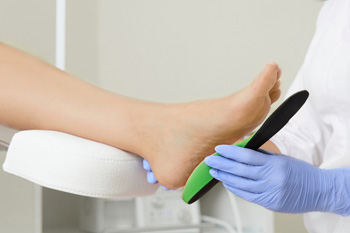
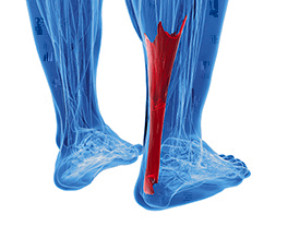
Having flat feet, medically known as pes planus, is the result of collapsed arches that absorb the shock of each step you take. The three main types of flat feet are flexible pes planus, posterior tibial dysfunction, and a tight Achilles tendon. Flexible flat feet is the most common type, indicated if the arch disappears when the foot bears weight. It is generally not painful, and with proper arch support can be contained. If the posterior Achilles tendon is torn, swollen, or has become injured, flat feet can result. This type can be caused by obesity, hypertension, or diabetes. When the tension between the calf muscles and the Achilles tendon is too tight, it may cause arch pain when you are active. Most babies are born with flat feet, and the arches develop as the baby grows, so it should not be a cause for alarm. In adults, however, it may be harmful to ignore flat feet, because the pain from overpronation can spread to the legs, knees, hips, and back. For help with any type of flat feet, it is suggested that you make an appointment with a podiatrist who can provide proper treatment options.

Flatfoot is a condition many people suffer from. If you have flat feet, contact one of our podiatrists from Biebel & DeCotiis Podiatry Associates. Our doctors will treat your foot and ankle needs.

What Are Flat Feet?

Flatfoot is a condition in which the arch of the foot is depressed and the sole of the foot is almost completely in contact with the ground. About 20-30% of the population generally has flat feet because their arches never formed during growth.

Conditions & Problems:

Having flat feet makes it difficult to run or walk because of the stress placed on the ankles.

Alignment – The general alignment of your legs can be disrupted, because the ankles move inward which can cause major discomfort.

Knees – If you have complications with your knees, flat feet can be a contributor to arthritis in that area.  

Symptoms

  • Pain around the heel or arch area
  • Trouble standing on the tip toe
  • Swelling around the inside of the ankle
  • Flat look to one or both feet
  • Having your shoes feel uneven when worn

Treatment

If you are experiencing pain and stress on the foot you may weaken the posterior tibial tendon, which runs around the inside of the ankle. 

If you have any questions please feel free to contact one of our offices located in Holmdel and Middletown, NJ . We offer the newest diagnostic and treatment technologies for all your foot and ankle needs.


Read more about Flat Feet

Heel Pain and Running

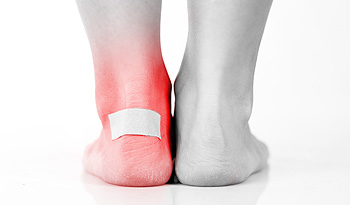
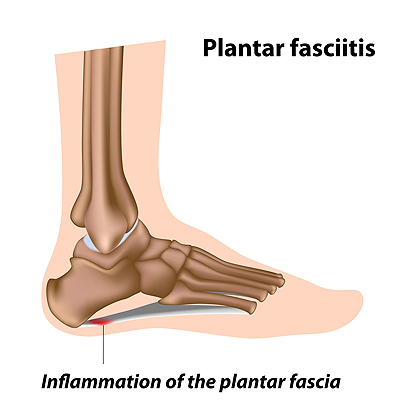
Running can be a good form of exercise and many enjoy this sport. However, like other physical sports, it can have negative effects on one’s feet. Heel pain is a common complaint among runners. This can be caused by overuse, plantar fasciitis, foot structure problems, or poor running form. It is critical that heel pain is treated promptly in runners to avoid further injury and complications. Plantar fasciitis is a condition where the plantar fascia, the ligament that runs from the heels to the toes on the soles of the feet, is overstretched or has slight tears. This results in heel pain, which is often worse after rest. People with flat feet or high arches represent examples of those with foot structure problems that put stress on the plantar fascia and can lead to heel pain after running. There are many other reasons heel pain may affect runners, and if this is something you suffer from, it is suggested that you see a podiatrist who can help you get to the root cause of the pain and offer effective treatment solutions.

Many people suffer from bouts of heel pain. For more information, contact one of our podiatrists of Biebel & DeCotiis Podiatry Associates. Our doctors can provide the care you need to keep you pain-free and on your feet.

Causes of Heel Pain

Heel pain is often associated with plantar fasciitis. The plantar fascia is a band of tissues that extends along the bottom of the foot. A rip or tear in this ligament can cause inflammation of the tissue.

Achilles tendonitis is another cause of heel pain. Inflammation of the Achilles tendon will cause pain from fractures and muscle tearing. Lack of flexibility is also another symptom.

Heel spurs are another cause of pain. When the tissues of the plantar fascia undergo a great deal of stress, it can lead to ligament separation from the heel bone, causing heel spurs.

Why Might Heel Pain Occur?

  • Wearing ill-fitting shoes                
  • Wearing non-supportive shoes
  • Weight change           
  • Excessive running

Treatments

Heel pain should be treated as soon as possible for immediate results. Keeping your feet in a stress-free environment will help. If you suffer from Achilles tendonitis or plantar fasciitis, applying ice will reduce the swelling. Stretching before an exercise like running will help the muscles. Using all these tips will help make heel pain a condition of the past.

If you have any questions, please feel free to contact one of our offices located in Holmdel and Middletown, NJ . We offer the newest diagnostic and treatment technologies for all your foot care needs.

Read more about Heel Pain

Why Live with Pain and Numbness in Your Feet?

Suffering from this type of pain? You may have the foot condition known as Morton's neuroma. Morton's neuroma may develop as a result of ill-fitting footwear and existing foot deformities. We can help.

Reasons Why Toenail Fungus May Develop

Onychomycosis is the medical term for the common foot condition that is known as toenail fungus. It can be an unsightly ailment and causes the toenails to become yellow and thick. In severe cases, they may become brittle and eventually separate from the nail bed and fall off.  It can be caused by various reasons, which may include existing medical conditions. These can consist of diabetes, poor circulation, or a weakened immune system. Additionally, the fungus that causes this condition can live in moist environments such as public swimming pools, shower room floors, and similar areas. It is beneficial to wear appropriate shoes while going to these types of places, which may help you to avoid getting toenail fungus. One of the first signs of this condition can be a small white spot that appears on the nail of the big toe. Research has shown that treatment may be more successful when started promptly. If you have developed toenail fungus, it is suggested that you confer with a podiatrist who can discuss the correct treatment options with you.

If left untreated, toenail fungus may spread to other toenails, skin, or even fingernails. If you suspect you have toenail fungus it is important to seek treatment right away. For more information about treatment, contact one of our podiatrists of Biebel & DeCotiis Podiatry Associates. Our doctors can provide the care you need to keep you pain-free and on your feet.

Symptoms

  • Warped or oddly shaped nails
  • Yellowish nails
  • Loose/separated nail
  • Buildup of bits and pieces of nail fragments under the nail
  • Brittle, broken, thickened nail

Treatment

If self-care strategies and over-the-counter medications does not help your fungus, your podiatrist may give you a prescription drug instead. Even if you find relief from your toenail fungus symptoms, you may experience a repeat infection in the future.

Prevention

In order to prevent getting toenail fungus in the future, you should always make sure to wash your feet with soap and water. After washing, it is important to dry your feet thoroughly especially in between the toes. When trimming your toenails, be sure to trim straight across instead of in a rounded shape. It is crucial not to cover up discolored nails with nail polish because that will prevent your nail from being able to “breathe”.

In some cases, surgical procedure may be needed to remove the toenail fungus. Consult with your podiatrist about the best treatment options for your case of toenail fungus.  

If you have any questions, please feel free to contact one of our offices located in Holmdel and Middletown, NJ . We offer the newest diagnostic and treatment technologies for all your foot care needs.


Read more about How to Treat Your Toenail Fungus

When Is an Ankle Brace Needed?

Patients with a condition known as foot drop, as well as other foot and ankle-related problems, may need the assistance of an ankle brace. This device is commonly called an AFO, or ankle-foot orthosis. The brace aids the wearer by providing stability in the ankle joint, maintaining its alignment, and preventing the foot from dragging on the ground while walking. AFOs are made of plastic, metal, or strong fiber, depending on the needs of the patient. A podiatrist can determine the type of AFO required by conducting a series of tests to assess muscle strength, joint mobility, and gait issues. Ankle-foot orthoses come in various forms, including solid, which encases the joint, and hinged, which provides controlled ankle movement. A typical AFO begins just below the knee and extends to the base of the toes. This type of device is commonly prescribed for patients with foot drop, nerve disorders, trauma, and other conditions that affect the gait. For more information on an ankle-foot orthotic device, it is suggested that you consult a podiatrist.

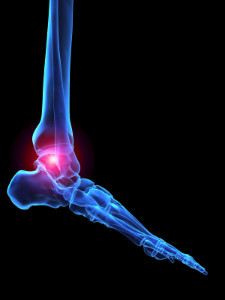
Ankle pain can be caused by a number of problems and may be potentially serious. If you have ankle pain, consult with one of our podiatrists from Biebel & DeCotiis Podiatry Associates. Our doctors will assess your condition and provide you with quality foot and ankle treatment.

Ankle pain is any condition that causes pain in the ankle. Due to the fact that the ankle consists of tendons, muscles, bones, and ligaments, ankle pain can come from a number of different conditions.

Causes

The most common causes of ankle pain include:

  • Types of arthritis (rheumatoid, osteoarthritis, and gout)
  • Ankle sprains
  • Broken ankles
  • Achilles tendonitis
  • Achilles tendon rupture
  • Stress fractures
  • Bursitis
  • Tarsal tunnel syndrome
  • Plantar fasciitis

Symptoms

Symptoms of ankle injury vary based upon the condition. Pain may include general pain and discomfort, swelling, aching, redness, bruising, burning or stabbing sensations, and/or loss of sensation.

Diagnosis

Due to the wide variety of potential causes of ankle pain, podiatrists will utilize a number of different methods to properly diagnose ankle pain. This can include asking for personal and family medical histories and of any recent injuries. Further diagnosis may include sensation tests, a physical examination, and potentially x-rays or other imaging tests.

Treatment

Just as the range of causes varies widely, so do treatments. Some more common treatments are rest, ice packs, keeping pressure off the foot, orthotics and braces, medication for inflammation and pain, and surgery.

If you have any questions, please feel free to contact one of our offices located in Holmdel and Middletown, NJ . We offer the newest diagnostic and treatment technologies for all your foot care needs.

Read more about Various Causes of Ankle Pain

Connect With Us