When Is an Ankle Brace Needed?

Patients with a condition known as foot drop, as well as other foot and ankle-related problems, may need the assistance of an ankle brace. This device is commonly called an AFO, or ankle-foot orthosis. The brace aids the wearer by providing stability in the ankle joint, maintaining its alignment, and preventing the foot from dragging on the ground while walking. AFOs are made of plastic, metal, or strong fiber, depending on the needs of the patient. A podiatrist can determine the type of AFO required by conducting a series of tests to assess muscle strength, joint mobility, and gait issues. Ankle-foot orthoses come in various forms, including solid, which encases the joint, and hinged, which provides controlled ankle movement. A typical AFO begins just below the knee and extends to the base of the toes. This type of device is commonly prescribed for patients with foot drop, nerve disorders, trauma, and other conditions that affect the gait. For more information on an ankle-foot orthotic device, it is suggested that you consult a podiatrist.

Ankle pain can be caused by a number of problems and may be potentially serious. If you have ankle pain, consult with one of our podiatrists from Biebel & DeCotiis Podiatry Associates. Our doctors will assess your condition and provide you with quality foot and ankle treatment.

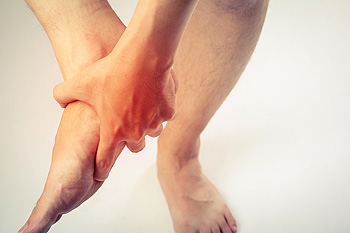
Ankle pain is any condition that causes pain in the ankle. Due to the fact that the ankle consists of tendons, muscles, bones, and ligaments, ankle pain can come from a number of different conditions.

Causes

The most common causes of ankle pain include:

  • Types of arthritis (rheumatoid, osteoarthritis, and gout)
  • Ankle sprains
  • Broken ankles
  • Achilles tendonitis
  • Achilles tendon rupture
  • Stress fractures
  • Bursitis
  • Tarsal tunnel syndrome
  • Plantar fasciitis

Symptoms

Symptoms of ankle injury vary based upon the condition. Pain may include general pain and discomfort, swelling, aching, redness, bruising, burning or stabbing sensations, and/or loss of sensation.

Diagnosis

Due to the wide variety of potential causes of ankle pain, podiatrists will utilize a number of different methods to properly diagnose ankle pain. This can include asking for personal and family medical histories and of any recent injuries. Further diagnosis may include sensation tests, a physical examination, and potentially x-rays or other imaging tests.

Treatment

Just as the range of causes varies widely, so do treatments. Some more common treatments are rest, ice packs, keeping pressure off the foot, orthotics and braces, medication for inflammation and pain, and surgery.

If you have any questions, please feel free to contact one of our offices located in Holmdel and Middletown, NJ . We offer the newest diagnostic and treatment technologies for all your foot care needs.

Read more about Various Causes of Ankle Pain

Diabetics May Be at Risk for Charcot Foot

Many diabetics suffer from a related condition known as Charcot foot. It is caused by peripheral neuropathy, which is nerve damage and a loss of sensation in the lower legs and feet. Diabetics with Charcot foot may notice redness, warmth, and swelling of the feet, the condition also weakens the bones, soft tissues, and joints of the foot. As the disease progresses it may lead to fractures and dislocation of the ankle bones. Charcot foot can be detected through a physical examination, X-rays, and blood tests. The condition generally affects only one foot. Taking the weight off the affected foot is paramount in helping to keep symptoms at bay. The bones in the foot can easily collapse and if ignored can produce even more serious problems. In some cases, patients are directed to wear a special boot or cast to protect the foot. Orthotic inserts in shoes are often helpful in providing the needed cushioning. If you are experiencing symptoms of Charcot foot, it is suggested that you consult a podiatrist as soon as possible for an exam and diagnosis. 

Neuropathy

Neuropathy can be a potentially serious condition, especially if it is left undiagnosed. If you have any concerns that you may be experiencing nerve loss in your feet, consult with one of our podiatrists from Biebel & DeCotiis Podiatry Associates. Our doctors will assess your condition and provide you with quality foot and ankle treatment for neuropathy.

What Is Neuropathy?

Neuropathy is a condition that leads to damage to the nerves in the body. Peripheral neuropathy, or neuropathy that affects your peripheral nervous system, usually occurs in the feet. Neuropathy can be triggered by a number of different causes. Such causes include diabetes, infections, cancers, disorders, and toxic substances.

Symptoms of Neuropathy Include:

  • Numbness
  • Sensation loss
  • Prickling and tingling sensations
  • Throbbing, freezing, burning pains
  • Muscle weakness

Those with diabetes are at serious risk due to being unable to feel an ulcer on their feet. Diabetics usually also suffer from poor blood circulation. This can lead to the wound not healing, infections occurring, and the limb may have to be amputated.

Treatment

To treat neuropathy in the foot, podiatrists will first diagnose the cause of the neuropathy. Figuring out the underlying cause of the neuropathy will allow the podiatrist to prescribe the best treatment, whether it be caused by diabetes, toxic substance exposure, infection, etc. If the nerve has not died, then it’s possible that sensation may be able to return to the foot.

Pain medication may be issued for pain. Electrical nerve stimulation can be used to stimulate nerves. If the neuropathy is caused from pressure on the nerves, then surgery may be necessary.

If you have any questions, please feel free to contact one of our offices located in Holmdel and Middletown, NJ . We offer the newest diagnostic and treatment technologies for all your foot care needs.

Read more about Neuropathy

Causes of Bruised Toenails

Bruised toenails, also termed subungual hematomas, are characterized by a darkened nail. This is caused by bleeding under the toenail, which can become painful. Bruised toenails are common among ballet dancers, especially those who dance on pointe. This action places a great deal of force on the toenail and often causes the nail to pull away from the bed. Bruised toenails can also result from dropping a heavy object on the toe. To relieve the pressure of a bruised toenail, it may be necessary to drain the blood underneath the nail. A podiatrist can carry out this procedure by drilling a tiny hole in the nail to release the blood and swabbing it with alcohol to avoid infection. Resting the foot for a few days is recommended to give the nail bed a chance to heal. To avoid future toe bruising, it is wise to keep toenails trimmed short. For help with bruised toenails, it is suggested that you see a podiatrist for safe treatment.

Toe pain can disrupt your daily activities. If you have any concerns, contact one of our podiatrists of Biebel & DeCotiis Podiatry Associates. Our doctors can provide the care you need to keep you pain-free and on your feet.

What Causes Toe Pain?

Most severe toe pain is caused due to a sports injury, trauma from dropping something heavy on the toe, or bumping into something rigid. Other problems can develop over time for various reasons.

Toe pain can be caused by one or more ailments. The most common include:

  • Trauma
  • Sports injury
  • Wearing shoes that are too tight
  • Arthritis
  • Gout
  • Corns and calluses
  • Hammertoe
  • Bunions
  • Blisters
  • Ingrown toenails
  • Sprains
  • Fractures (broken bones)
  • Dislocations

When to See a Podiatrist

  • Severe pain
  • Persistent pain that lasts more than a week
  • Signs of infection
  • Continued swelling
  • Pain that prevents walking

Diagnosis

In many cases the cause of toe pain is obvious, but in others, a podiatrist may want to use more advanced methods to determine the problem. These can range from simple visual inspections and sensation tests to X-rays and MRI scans. Prior medical history, family medical history, and any recent physical traumatic events will all be taken into consideration for a proper diagnosis.

Treatment

Treatments for toe pain and injuries vary and may include shoe inserts, padding, taping, medicines, injections, and in some cases, surgery. If you believe that you have broken a toe, please see a podiatrist as soon as possible.

If you have any questions please contact one of our offices located in Holmdel and Middletown, NJ . We offer the newest diagnostic and treatment technologies for all your foot and ankle needs.
Read more about Toe Pain

Foot Care for Babies

It is beneficial for parents to pay attention to their children’s feet as they are growing. The majority of babies are born with flat feet, and the arch generally develops during their teenage years. If this fails to occur, orthotics may be needed that may help to strengthen the foot. A foot care routine can begin with washing the child’s feet, and ensuring the area between the toes is thoroughly dried. This can be followed by trimming the toenails properly, which is typically done once per week. The feet can become stronger when babies crawl barefoot while indoors, as a result of the toes gripping the floor. When it is time to walk outside, it is beneficial for the first shoes to be made with a sturdy sole and flexible materials. The feet have several thousand sweat glands, and while sweating is normal, there may be an offensive odor. It is suggested to discuss this with a podiatrist, in addition to any information you would like to know about children’s foot health. 

Making sure that your children maintain good foot health is very important as they grow. If you have any questions, contact one of our podiatrists of Biebel & DeCotiis Podiatry Associates. Our doctors can provide the care you need to keep you pain-free and on your feet.

Keeping Children's Feet Healthy

Having healthy feet during childhood can help prevent medical problems later in life, namely in the back and legs. As children grow, their feet require different types of care. Here are some things to consider...

Although babies do not walk yet, it is still very important to take care of their feet.

Avoid putting tight shoes or socks on his or her feet.

Allow the baby to stretch and kick his or her feet to feel comfortable.

As a toddler, kids are now on the move and begin to develop differently. At this age, toddlers are getting a feel for walking, so don’t be alarmed if your toddler is unsteady or ‘walks funny’. 

As your child gets older, it is important to teach them how to take care of their feet.

Show them proper hygiene to prevent infections such as fungus.

Be watchful for any pain or injury.

Have all injuries checked by a doctor as soon as possible.

Comfortable, protective shoes should always be worn, especially at play.

If you have any questions, please feel free to contact one of our offices located in Holmdel and Middletown, NJ . We offer the newest diagnostic and treatment technologies for all your foot care needs.

Read more about What to Do to Keep Your Child’s Feet Healthy

Wounds That Don't Heal Need to Be Checked

Your feet are covered most of the day. If you're diabetic, periodic screening is important for good health. Numbness is often a sign of diabetic foot and can mask a sore or wound.

Connect With Us