The Importance of Wearing the Right Shoe Size for Foot Health

Wearing the correct shoe size is essential for maintaining foot health and overall comfort. Shoes that are too tight or too loose can lead to foot conditions that cause pain and discomfort. Neuropathy, which affects nerve function, can be worsened by wearing ill-fitting shoes that create pressure points and reduce circulation. Persistent foot pain may develop due to a lack of proper support, leading to difficulty in walking and standing. Ingrown toenails are a common issue when shoes squeeze the toes, causing the nail to grow into the surrounding skin. Over time, these problems can contribute to a decreased quality of life by limiting mobility and daily activities. If you have foot pain from wearing shoes that do not fit correctly, it is suggested that you consult a podiatrist who can treat various foot conditions and guide you on how to determine your correct shoe size.

Getting the right shoe size is an important part of proper foot health. Seek the assistance of one of our podiatrists from Biebel & DeCotiis Podiatry Associates. Our doctors will provide the care you need to keep you pain-free and on your feet.

Getting the Right Shoe Size

There are many people who wear shoes that are the incorrect size, negatively affecting their feet and posture. Selecting the right shoes is not a difficult process, so long as you keep several things in mind when it comes to choosing the right pair.

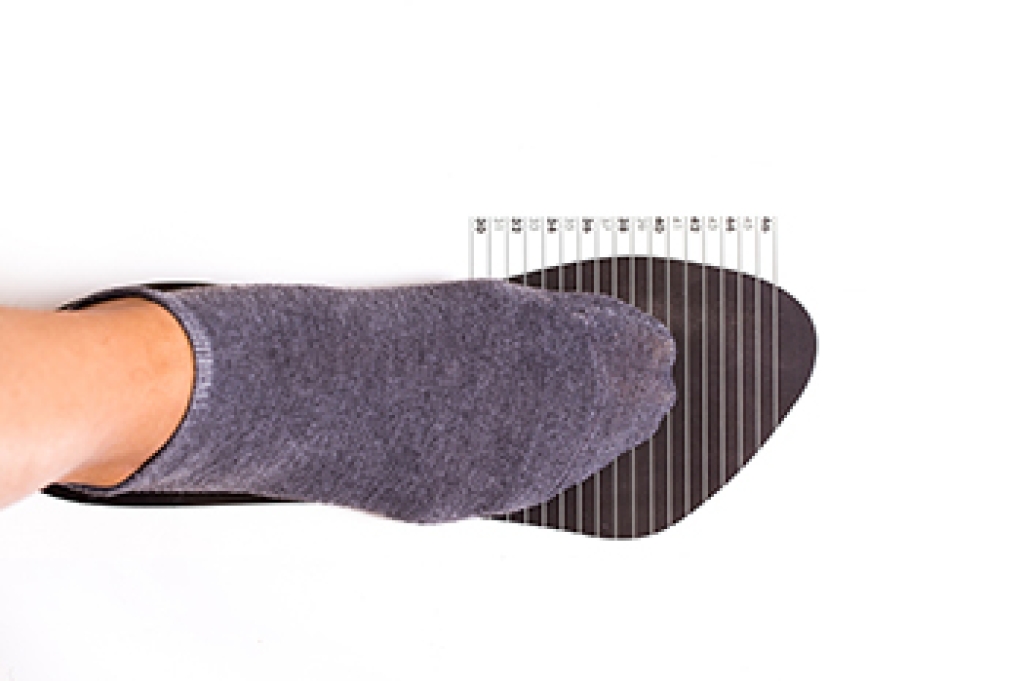
  • When visiting the shoe store, use the tools available to measure your foot.
  • Be sure there is ‘wiggle room’. There should be about an inch between your toes and the tip of your shoes.
  • Do not always assume you are the same size, as manufacturers run differently.
  • Purchase shoes later in the day, as your feet swell as the day progresses.
  • If a shoe is not comfortable, it is not suitable. Most shoes can’t be ‘broken in’, and comfort should be the ultimate goal when it comes to choosing the right pair of shoes

As our feet hold our body weight and keep us moving, it is important to treat them right. Picking the right pair of shoes can provide your feet comfort and mobility without pain.

If you have any questions, please feel free to contact one of our offices located in Holmdel and Middletown, NJ . We offer the newest diagnostic and treatment technologies for all your foot care needs.

Read more about Getting the Right Shoe Size: To Keep Your Feet Happy

Causes of Ankle Sprains and Prevention Tips

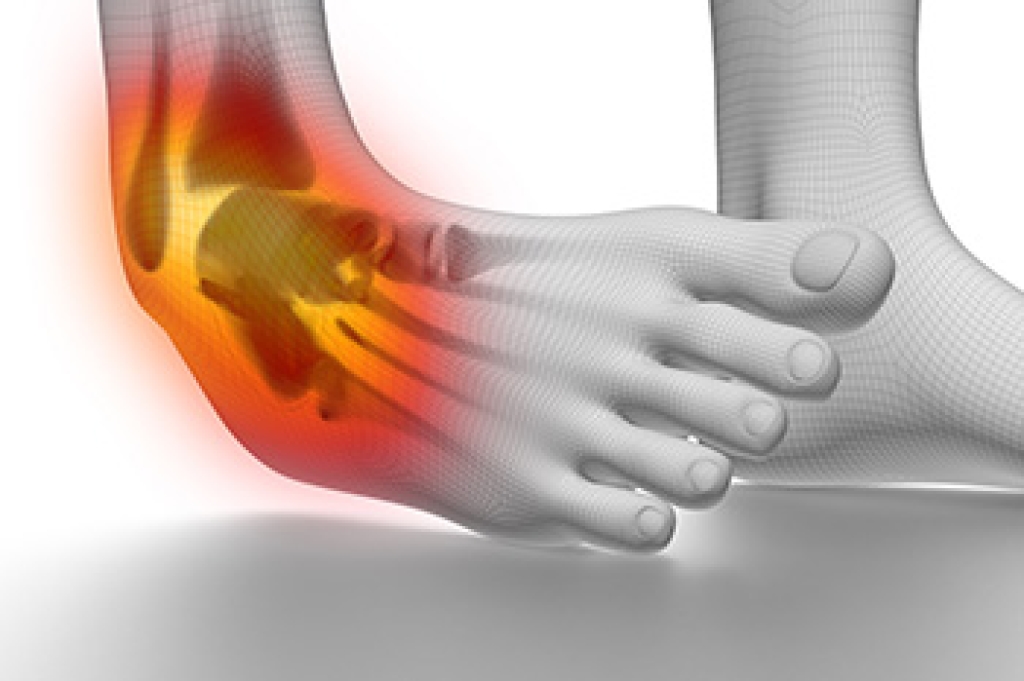
Ankle sprains are a frequent injury that can occur due to various factors. Wearing high heels often causes instability in the foot, making it easier to twist or roll the ankle, especially when walking on uneven surfaces. Rough terrain activities, such as hiking or running on rocky or uneven ground, increase the risk of rolling the ankle and straining ligaments. Uncomfortable landings, particularly in sports or other physical activities, can cause sudden twists or bends in the ankle, leading to sprains. Chronic instability, whether from previous sprains or weak ankle muscles, can make the ankle more prone to reinjury. Wearing more supportive footwear, strengthening the ankle muscles, and being cautious on uneven ground can help prevent sprains. An ankle sprain can cause severe pain and discomfort, causing difficulty in completing daily activities. If you have sustained this type of injury, it is suggested that you promptly seek guidance from a podiatrist who can effectively treat this condition.

Ankle sprains are common but need immediate attention. If you need your feet checked, contact one of our podiatrists from Biebel & DeCotiis Podiatry Associates. Our doctors can provide the care you need to keep you pain-free and on your feet.

How Does an Ankle Sprain Occur?

Ankle sprains take place when the ligaments in your ankle are torn or stretched beyond their limits. There are multiple ways that the ankle can become injured, including twisting or rolling over onto your ankle, putting undue stress on it, or causing trauma to the ankle itself.

What Are the Symptoms?

  • Mild to moderate bruising
  • Limited mobility
  • Swelling
  • Discoloration of the skin (depending on severity)

Preventing a Sprain

  • Wearing appropriate shoes for the occasion
  • Stretching before exercises and sports
  • Knowing your limits

Treatment of a Sprain

Treatment of a sprain depends on the severity.  Many times, people are told to rest and remain off their feet completely, while others are given an air cast. If the sprain is very severe, surgery may be required.

If you have suffered an ankle sprain previously, you may want to consider additional support such as a brace and regular exercises to strengthen the ankle.

If you have any questions please feel free to contact one of our offices located in Holmdel and Middletown, NJ . We offer the newest diagnostic tools and technology to treat your foot and ankle needs.

Read more about Ankle Sprains

Struggling With Heel Pain? Custom Orthotics Can Help

Struggling with heel pain? Discover the relief Custom Orthotics can bring. Customized to your foot's unique structure, Custom Orthotics offer targeted support, alleviating pressure points and redistributing weight. This means reduced heel pain and a more comfortable step, every time. Whether you're walking, working, or working out, Custom Orthotics ensure your heels feel cushioned and cared for. Experience the transformative power of Custom Orthotics with us today! Call today for more information.

Causes and Risk Factors for Cracked Heels

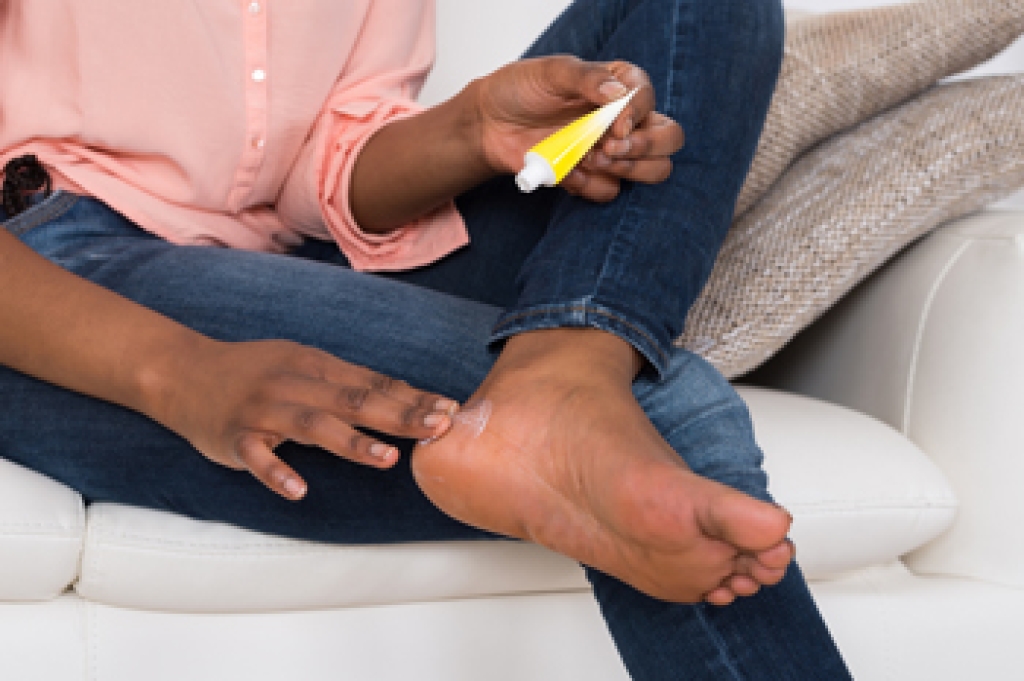
Cracked heels develop when the skin on the heels becomes dry and thick, leading to fissures that can deepen over time. People with diabetes, hypothyroidism, psoriasis, or allergic dermatitis may be more likely to experience heel fissures. Factors like standing for long periods, being overweight, or wearing open-back shoes can contribute to the problem by increasing pressure on the heels. Initially, a dry, hardened callus forms around the edge of the heel, often appearing yellow or dark brown. Without treatment, small cracks can widen, becoming painful and even bleeding. In severe cases, cracked heels can lead to severe infections like cellulitis, which require immediate medical attention. People with diabetes should be especially cautious, as deep heel cracks may result in foot ulcers. A podiatrist can remove thickened skin, prescribe medication for infections, and provide supportive footwear advice to prevent further complications. If you have cracked heels that have become painful or infected, it is suggested that you schedule an appointment with a podiatrist for an exam and treatment options.

Cracked heels are unsightly and can cause further damage to your shoes and feet. If you have any concerns, contact one of our podiatrists from Biebel & DeCotiis Podiatry Associates. Our doctors can provide the care you need to keep you pain-free and on your feet.

Cracked Heels

Cracked heels appear unappealing and can make it harder for you walk around in sandals. Aside from looking unpleasant, cracked heels can also tear stockings, socks, and wear out your shoes. There are several methods to help restore a cracked heel and prevent further damage.

How Do You Get Them?

Dry skin is the number one culprit in creating cracked heels. Many athletes, walkers, joggers, and even swimmers suffer from cracked heels. Age and skin oil production play a role to getting cracked heels as well.

Promote Healing

Over the counter medicines can help, especially for those that need instant relief or who suffer from chronic dry feet.

Wear Socks – Wearing socks with medicated creams helps lock in moisture.

Moisturizers – Applying both day and night will help alleviate dryness which causes cracking.

Pumice Stones – These exfoliate and remove dead skin, which allows for smoother moisturizer application and better absorption into the skin. 

Change in Diet

Eating healthy with a well-balanced diet will give the skin a fresh and radiant look. Your body responds to the kinds of food you ingest. Omega-3 fatty acids and zinc supplements can also revitalize skin tissue.

Most importantly, seek professional help if unsure how to proceed in treating cracked heels. A podiatrist will help you with any questions or information needed. 

If you have any questions, please feel free to contact one of our offices located in Holmdel and Middletown, NJ . We offer the newest diagnostic and treatment technologies for all your foot care needs.

Read more about Solutions for Cracked Heels

Connect With Us