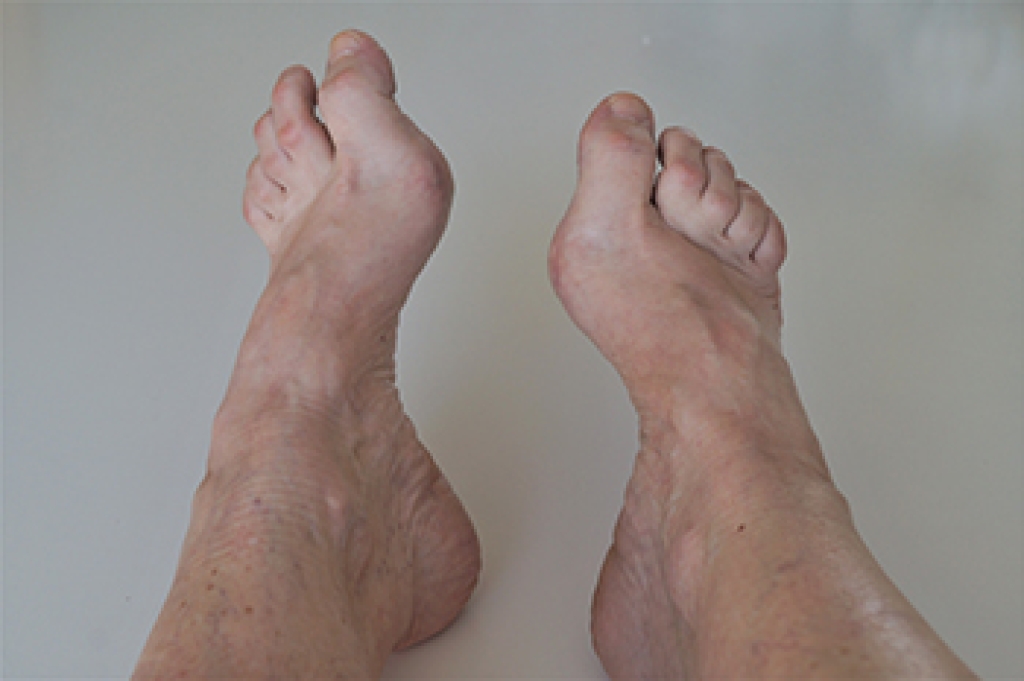
A high arch, also called cavus foot, can place too much body weight on the heel and ball of the foot. Because less of the sole touches the ground, pressure is not spread evenly while standing or walking. This can cause aching, burning, or tenderness in areas that carry the extra load. Painful calluses can form along the heel, outer edge, or ball of the foot. Some patients also develop bent toes or feel that the ankle is unstable. A heel that tilts inward can make ankle sprains more likely.
Some high arches are inherited and remain fairly stable. Others are connected to a nerve or muscle disorder that changes the strength and balance of the foot. In these cases, the arch can become higher and symptoms can grow worse. Foot drop may also occur when weak muscles make it hard to lift the front of the foot. A podiatrist evaluates the arch, checks muscle strength, and watches how the patient walks. X-rays can show the position of the bones and joints. When signs point to an underlying nerve condition, the podiatrist can recommend further evaluation.
Treatment focuses on reducing pressure, improving stability, and making movement more comfortable. A podiatrist can prescribe custom orthotics that cushion high-pressure areas and help distribute weight more evenly. Shoe recommendations can include a stable sole, enough room for the toes, and firm ankle support. A brace can support an unstable ankle or help control foot drop. The podiatrist can also remove painful calluses safely and monitor areas at risk for skin damage. When these treatments do not provide enough relief, surgery may be needed. This can help correct certain bone positions, improve balance, or address tight and weak tissues. The exact approach depends on the cause and severity of the condition. If you have high arch pain, it is suggested that you schedule an appointment with a podiatrist for a diagnosis and appropriate treatment.
Foot Pain
Foot pain can be extremely painful and debilitating. If you have a foot pain, consult with one of our podiatrists from Biebel & DeCotiis Podiatry Associates. Our doctors will assess your condition and provide you with quality foot and ankle treatment.
Causes
Foot pain is a very broad condition that could be caused by one or more ailments. The most common include:
- Bunions
- Hammertoes
- Plantar Fasciitis
- Bone Spurs
- Corns
- Tarsal Tunnel Syndrome
- Ingrown Toenails
- Arthritis (such as Gout, Rheumatoid, and Osteoarthritis)
- Flat Feet
- Injury (from stress fractures, broken toe, foot, ankle, Achilles tendon ruptures, and sprains)
- And more
Diagnosis
To figure out the cause of foot pain, podiatrists utilize several different methods. This can range from simple visual inspections and sensation tests to X-rays and MRI scans. Prior medical history, family medical history, and any recent physical traumatic events will all be taken into consideration for a proper diagnosis.
Treatment
Treatment depends upon the cause of the foot pain. Whether it is resting, staying off the foot, or having surgery; podiatrists have a number of treatment options available for foot pain.
If you have any questions, please feel free to contact one of our offices located in Holmdel and Middletown, NJ . We offer the newest diagnostic and treatment technologies for all your foot care needs.
